

Last updated: September 22, 2026
Quick picks
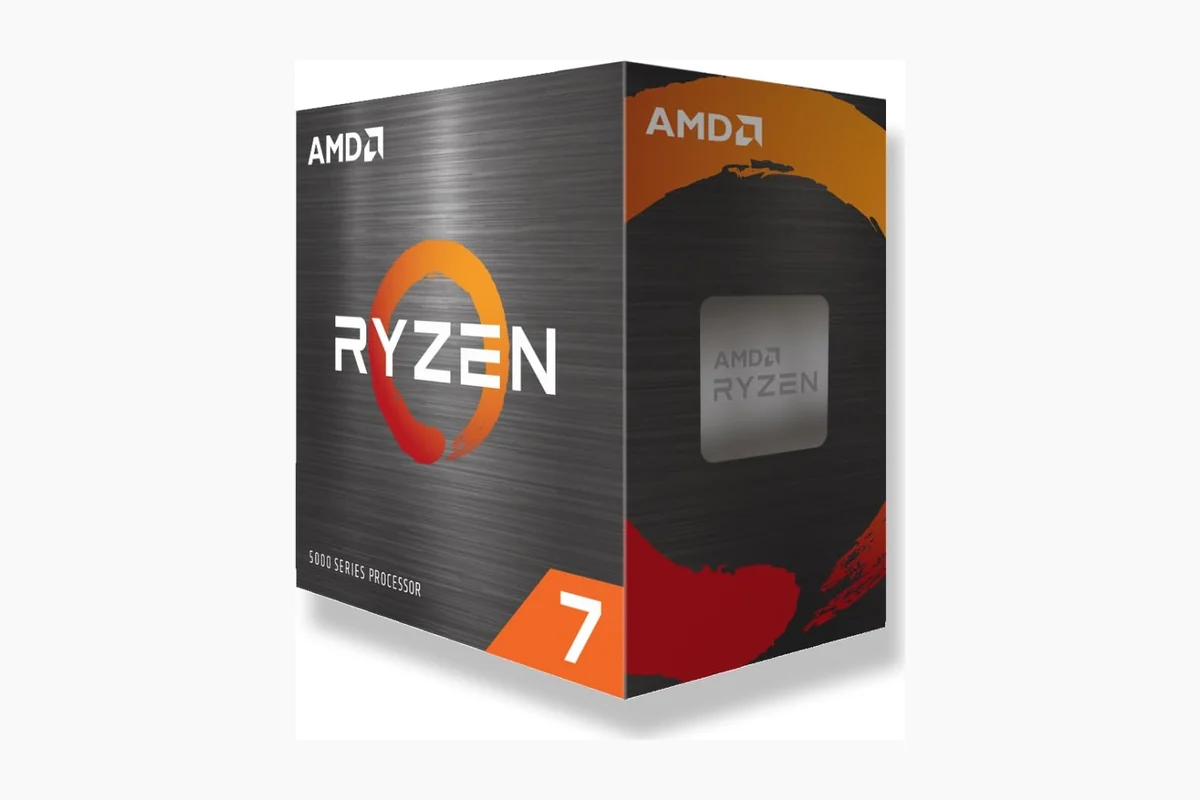
- Top Pick: AMD Ryzen 7 5800XT 8-Core 16-Thread Unlocked 9.4 Excellent
- Highest Score: Intel Core i9-12900K 16-Core Unlocked LGA 1700 9.9 Outstanding
Quick answer: Best gaming CPU maintains stable frame times at target refresh rates without starving GPU budget. Modern 6-core processor handles mainstream gaming smoothly. High-refresh esports and heavy simulation titles demand stacked L3 cache or higher single-thread frequency. AM5 and LGA1700 platforms require DDR5 considerations, while AM4 offers lower entry cost.
Processor selection dictates baseline performance floor across modern PC titles. GPU renders frames, but CPU manages draw calls, engine physics, simulation logic, and peripheral background tasks. Mismatched CPU limits maximum refresh rate regardless of graphics power. Build balance requires evaluating socket longevity, memory speed, cooler requirements, and motherboard chipset features. Upgrading system components also touches peripherals; pair high-refresh setups with low-latency hardware like those found in our hall effect vs optical keyboards comparison.
Evaluation analyzes desktop processors across core architecture, cache topology, power draw, and socket ecosystem. Analysis focuses strictly on standalone component processors for custom builders and upgraders, omitting full prebuilt desktops like YAWYORE and Alienware models that bundle fixed components. Full testing criteria follow established guidelines documented in our review methodology.
Compare at a Glance
| # | Product | Editorial Score | Processor Series | Processor Speed |
|---|---|---|---|---|
| 1 | AMD Ryzen 7 5800XT 8-Core 16-Thread Unlocked | 9.4 Excellent | Ryzen 7 | 3.8 GHz |
| 2 | Intel Core i9-12900K 16-Core Unlocked LGA 1700 | 9.9 Outstanding | Core i9 | 3.2 GHz |
| 3 | YAWYORE Gaming PC Desktop Ryzen 7 5700X | 9.5 Outstanding | - | - |
| 4 | AMD Ryzen 9 9950X 16-Core 32-Thread Zen | 9.4 Excellent | Ryzen 9 | 4.3 GHz |
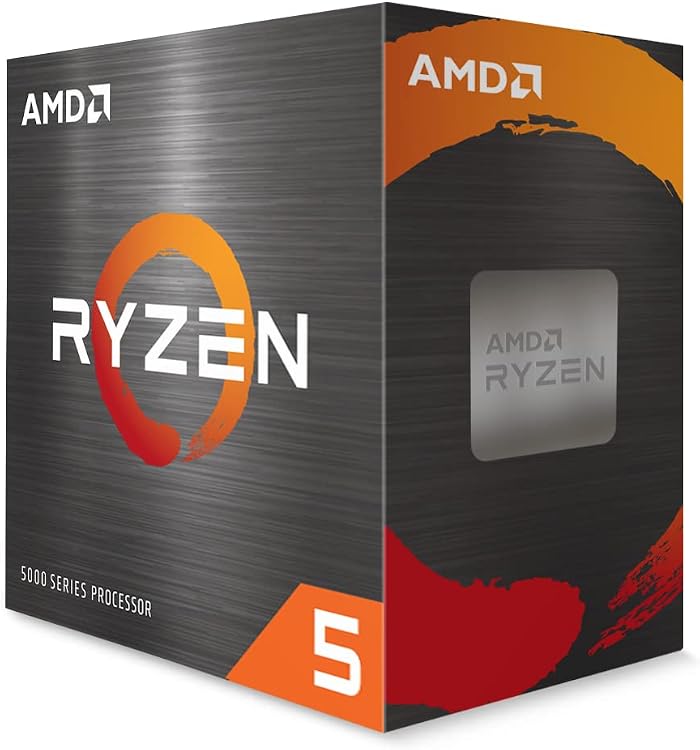
| 5 | AMD Ryzen 5 5500 6-Core 12-Thread Unlocked | 9.5 Outstanding | Ryzen 5 | 4.2 GHz |
| 6 | AMD Ryzen 5 9600X 6-Core 12-Thread Zen | 9.5 Outstanding | Ryzen 5 | 3.9 GHz |
| 7 | AMD Ryzen 9 5900XT 16-Core 32-Thread Unlocked | 9.4 Excellent | Ryzen 9 | 3.3 GHz |
| 8 | AMD Ryzen 7 7800X3D 8-Core 16-Thread 4.2 | 9.5 Outstanding | Ryzen 7 | 4.2 GHz |
| 9 | Intel Core i7-12700K 12-Core Unlocked Gaming CPU | 9.9 Outstanding | Core i7 | 3.6 GHz |
| 10 | Alienware Aurora ACT1250 Gaming Desktop Intel Core | 9.7 Outstanding | - | - |

Pros
- Strong multi-threaded performance for gaming and content creation
- Unlocked design enables easy overclocking
- Includes capable RGB cooler to manage thermals
- Compatible with existing AM4 motherboards for cost-effective upgrades
Cons
- Limited to older AM4 socket and DDR4 memory
- 105W TDP requires adequate case airflow
- Lacks integrated graphics so discrete GPU is needed
| Processor Series | Ryzen 7 |
|---|---|
| Processor Speed | 3.8 GHz |
| Processor Socket | Socket AM4 |
| Secondary Cache | 4 MB |
| Wattage | 105 watts |
| Cache Memory Installed Size | 36 |
| Processor Count | 8 |
| Processor Number of Concurrent Threads | 16 |
| Processor Core Count | 8 |
| Cooling Method | Heatsink and Fan |
Best suited to shoppers comparing cpu processors products who specifically need deliver powerful gaming and multitasking with 8 cores and 16 threads on proven Zen 3 architecture, Reach high speeds up to 4.8 GHz max….
Before buying, compare the exact model’s compatibility, dimensions, core specifications, warranty, recurring owner feedback, and current price against other cpu processors options. Retailer availability and pricing can change after publication.

Intel Core i9-12900K 16-Core Unlocked LGA 1700
Pros
- Exceptional multi-core performance for gaming and productivity workloads
- Unlocked design allows extensive overclocking customization
- Supports latest platform features including DDR5 and PCIe Gen 5
- Hybrid architecture efficiently manages mixed workloads
Cons
- High 125W power draw requires robust cooling solutions
- Needs compatible 600 series motherboard for installation
- Integrated graphics may fall short for intensive visual tasks
| Processor Series | Core i9 |
|---|---|
| Processor Speed | 3.2 GHz |
| Processor Socket | LGA 1700 |
| Secondary Cache | 12 MB |
| Wattage | 125 watts |
| Cache Memory Installed Size | 30 |
| Processor Count | 16 |
| Processor Number of Concurrent Threads | 24 |
| Processor Core Count | 16 |
| Platform | Windows 11 |
Best suited to shoppers comparing cpu processors products who specifically need maximize gaming performance with up to 5.2 GHz turbo speeds on performance cores, Handle heavy multitasking smoothly via hybrid P-cores and E-cores with Thread….
Before buying, compare the exact model’s compatibility, dimensions, core specifications, warranty, recurring owner feedback, and current price against other cpu processors options. Retailer availability and pricing can change after publication.

Pros
- Strong 8-core processor handles multitasking without lag
- Advanced GPU features deliver modern gaming capabilities
- Efficient cooling reduces noise during heavy use
- Generous RAM and storage support smooth workflows
- Includes wireless connectivity for flexible setup
Cons
- GPU brand may vary between purchases
- Prebuilt design limits immediate customization options
- Requires foam removal from chassis before first use
| Brand | YAWYORE |
|---|---|
| Operating System | Windows 11 |
| CPU Model | AMD Ryzen 7 |
| CPU Speed | 3.4 GHz |
| Cache Size | 32 GB |
| Graphics Card Description | Dedicated |
| Graphics Coprocessor | GeForce RTX 5060 |
| Memory Storage Capacity | 1 TB |
| Specific Uses For Product | Gaming |
| Personal computer design type | Computer Tower |
Best suited to shoppers comparing towers products who specifically need powers demanding games and creative apps with multi-core CPU performance, Enables realistic visuals and faster frame rates through ray tracing and DLSS support.
Before buying, compare the exact model’s compatibility, dimensions, core specifications, warranty, recurring owner feedback, and current price against other towers options. Retailer availability and pricing can change after publication.

Pros
- Exceptional core count for parallel processing tasks
- Unlocked multiplier allows tuning for higher performance
- Strong support for latest memory and expansion standards
- High boost clock speeds enhance both gaming and productivity
Cons
- Cooler not included requiring separate high-end cooling solution
- 170W TDP demands robust power supply and case airflow
- Best performance needs a compatible AM5 motherboard
| Processor Series | Ryzen 9 |
|---|---|
| Processor Speed | 4.3 GHz |
| Processor Socket | Socket AM5 |
| Secondary Cache | 16 MB |
| Wattage | 170 watts |
| Cache Memory Installed Size | 80 |
| Processor Count | 16 |
| Processor Number of Concurrent Threads | 32 |
| Processor Core Count | 16 |
| Platform | Windows 11 |
Best suited to shoppers comparing cpu processors products who specifically need delivers ultra-fast frame rates exceeding 100 FPS in top games for immersive gameplay, Powers demanding creative applications with 16 cores and 32 threads for….
Before buying, compare the exact model’s compatibility, dimensions, core specifications, warranty, recurring owner feedback, and current price against other cpu processors options. Retailer availability and pricing can change after publication.
Pros
- 6 cores and 12 threads enable strong multi-threaded performance
- Unlocked multiplier allows user-driven overclocking
- Included cooler reduces need for separate purchases
- 19 MB cache aids quick access to frequently used data
- 65W TDP supports efficient operation in standard builds
Cons
- Requires a discrete graphics card for gaming use
- Restricted to the aging Socket AM4 platform
- No integrated graphics limits options in basic systems
| Processor Series | Ryzen 5 |
|---|---|
| Processor Speed | 4.2 GHz |
| Processor Socket | Socket AM4 |
| Secondary Cache | 16 MB |
| Wattage | 65 watts |
| Cache Memory Installed Size | 19 MB |
| Processor Count | 6 |
| Processor Number of Concurrent Threads | 12 |
| Processor Core Count | 6 |
| Cooling Method | air cooling |
Best suited to shoppers comparing cpu processors products who specifically need delivers smooth high-FPS gaming in popular titles when paired with a discrete graphics card, Supports efficient multitasking and productivity workloads with 12 processing threads.
Before buying, compare the exact model’s compatibility, dimensions, core specifications, warranty, recurring owner feedback, and current price against other cpu processors options. Retailer availability and pricing can change after publication.

Pros
- Strong gaming and multi-thread performance from Zen 5 architecture
- Unlocked multiplier supports enthusiast overclocking
- Efficient power draw at 65 watts for balanced builds
- Long platform support on AM5 with modern memory standards
Cons
- Cooler not included requiring separate purchase
- May need new AM5 motherboard for existing users
- Early product stage with limited independent benchmarks
| Processor Series | Ryzen 5 |
|---|---|
| Processor Speed | 3.9 GHz |
| Processor Socket | Socket AM5 |
| Secondary Cache | 6 MB |
| Wattage | 65 watts |
| Cache Memory Installed Size | 38 |
| Processor Count | 6 |
| Processor Number of Concurrent Threads | 12 |
| Processor Core Count | 6 |
| Cooling Method | air-cooled |
Best suited to shoppers comparing cpu processors products who specifically need deliver smooth gameplay above 100 FPS in top titles through efficient Zen 5 cores, Manage heavy multitasking and creation tasks with 12 threads for….
Before buying, compare the exact model’s compatibility, dimensions, core specifications, warranty, recurring owner feedback, and current price against other cpu processors options. Retailer availability and pricing can change after publication.

Pros
- High core and thread count handles intensive workloads effectively
- Unlocked multiplier allows flexible overclocking options
- Strong cache size improves data access speeds
- Compatible with existing AM4 motherboards for easy upgrades
Cons
- Cooler not included requiring separate purchase
- AM4 platform limits future upgrade paths compared to newer sockets
- 105W TDP demands adequate cooling solutions
| Processor Series | Ryzen 9 |
|---|---|
| Processor Speed | 3.3 GHz |
| Processor Socket | Socket AM4 |
| Secondary Cache | 8 MB |
| Wattage | 105 watts |
| Cache Memory Installed Size | 72 |
| Processor Count | 16 |
| Processor Number of Concurrent Threads | 32 |
| Processor Core Count | 16 |
| Cooling Method | aftermarket |
Best suited to shoppers comparing cpu processors products who specifically need unlocks high-performance multitasking for gaming and video editing with 16 cores and 32 threads, Delivers fast boost speeds up to 4.8 GHz for smooth….
Before buying, compare the exact model’s compatibility, dimensions, core specifications, warranty, recurring owner feedback, and current price against other cpu processors options. Retailer availability and pricing can change after publication.

Pros
- Strong cache size improves real-world gaming speeds
- High thread count handles streaming alongside gameplay
- Modern AM5 socket supports long-term platform use
Cons
- Requires new AM5 motherboard and DDR5 memory
- Integrated graphics suit light tasks only
- Higher power use under full load compared to prior generations
| Processor Series | Ryzen 7 |
|---|---|
| Processor Speed | 4.2 GHz |
| Processor Socket | Socket AM5 |
| Secondary Cache | 8 MB |
| Wattage | 120 watts |
| Cache Memory Installed Size | 104 |
| Processor Count | 1 |
| Processor Number of Concurrent Threads | 16 |
| Processor Core Count | 8 |
| Platform | Windows 10, Windows 11 |
Best suited to shoppers comparing cpu processors products who specifically need delivers smooth multitasking for gaming and content creation with 16 threads, Large 104 MB cache boosts game loading and frame rates in demanding titles.
Before buying, compare the exact model’s compatibility, dimensions, core specifications, warranty, recurring owner feedback, and current price against other cpu processors options. Retailer availability and pricing can change after publication.

Pros
- Strong hybrid performance for gaming and productivity
- Unlocked for flexible overclocking
- Integrated graphics included
- Broad motherboard compatibility with 600/700 series
Cons
- Demands a compatible LGA 1700 motherboard
- 125W TDP requires robust cooling
- Discrete GPU still needed for high-end gaming
| Processor Series | Core i7 |
|---|---|
| Processor Speed | 3.6 GHz |
| Processor Socket | LGA 1700 |
| Secondary Cache | 25 MB |
| Wattage | 125 watts |
| Cache Memory Installed Size | 25 |
| Processor Count | 1 |
| Processor Number of Concurrent Threads | 20 |
| Processor Core Count | 12 |
| Platform | Mac OS Big Sur 11, Windows 11 |
Best suited to shoppers comparing cpu processors products who specifically need boosts gaming frame rates with high clock speeds and hybrid core architecture for smooth multitasking, Supports future-proof builds via DDR5 memory and PCIe 5.0….
Before buying, compare the exact model’s compatibility, dimensions, core specifications, warranty, recurring owner feedback, and current price against other cpu processors options. Retailer availability and pricing can change after publication.

Pros
- High-end Intel Core Ultra 9 and RTX 5080 deliver top-tier processing and graphics power
- Quiet operation with 20 percent noise reduction and efficient thermal design
- Compact Legend 3 chassis saves space while offering clear panel visibility
- Wi-Fi 7 and 2.5Gbps Ethernet ensure fast reliable networking
- User-replaceable components support long-term upgrades
Cons
- Base 1TB SSD may require expansion for large game libraries
- Weighs over 33 pounds making relocation less convenient
- Liquid cooling adds complexity for users avoiding maintenance
| Operating System | Windows 11 Home |
|---|---|
| Specific Uses For Product | Gaming, Multimedia |
| Personal Computer Design Type | Computer Tower |
| Color | Black |
| Hard Disk Description | SSD |
| Hardware Interface | Bluetooth, Ethernet, Solid State Drive, USB 2.0, USB 3.2 Gen 1, USB 3.2 Gen 2 |
| Power Consumption | 1000 Watts |
| Item Dimensions | 18.05 x 7.76 x 16.46 inches |
| Item Weight | 33.89 Pounds |
| Video Output Interface | USB |
Best suited to shoppers comparing towers products who specifically need experience ultra-smooth gameplay with AI-boosted frame rates from DLSS 4 and full ray tracing on the RTX 5080, Maintain peak performance during extended sessions….
Before buying, compare the exact model’s compatibility, dimensions, core specifications, warranty, recurring owner feedback, and current price against other towers options. Retailer availability and pricing can change after publication.
How to Choose the Best CPUs For Gaming
Gaming Performance and Single-Thread Speed
Gaming performance depends heavily on instruction execution latency and single-thread boost clock speeds. Modern game engines rely on main render thread to dispatch work across system. If primary thread stalls, frame delivery drops, causing micro-stutter and frame-time variance. Processors with high single-core frequency maintain steady frame pacing during dense physics simulations and competitive multiplayer matches.
L3 cache capacity plays massive role alongside clock speed. AMD 3D V-Cache technology stacks additional SRAM directly onto compute die, minimizing trips to system RAM. AMD Ryzen 7 7800X3D leverages 96 MB L3 cache to feed execution units without delay. Resulting throughput stabilizes 1% low frame rates in CPU-bound scenarios like dense multiplayer hubs, strategy maps, and high-framerate esports titles.
Intel hybrid design approaches performance differently. Intel Core i9-12900K and Core i7-12700K deploy Performance cores (P-cores) built for fast instruction throughput alongside Efficient cores (E-cores) for background tasks. P-cores hit elevated boost frequencies up to 5.2 GHz, maintaining rapid game logic execution while background OS processes run on E-cores without degrading primary gaming thread.
Core Count and Thread Architecture
Modern gaming engines require baseline core configurations to avoid resource starvation. Standard six-core, twelve-thread processors like AMD Ryzen 5 9600X and budget AMD Ryzen 5 5500 handle modern AAA releases without bottlenecking mid-tier graphics cards. Background discord chats, audio processing, and operating system overhead distribute across spare threads, keeping game threads clean.
Eight-core processors represent optimal baseline for enthusiast gaming. AMD Ryzen 7 7800X3D and AMD Ryzen 7 5800XT utilize eight physical cores on single core complex die (CCD). Single-CCD layouts eliminate cross-CCX interconnect latency, ensuring all eight cores access local cache pool simultaneously. This architecture prevents scheduling penalties common in multi-die desktop processors.
Sixteen-core processors like AMD Ryzen 9 9950X and AMD Ryzen 9 5900XT split resources across dual CCDs. While offering superior computational throughput for video encoding, 3D rendering, and compilation tasks, gaming engines rarely utilize 32 threads. Windows scheduler must pin gaming tasks to single CCD to prevent core-to-core latency penalty across internal fabric interconnect.
Platform Longevity and Socket Compatibility
Socket platform determines upgrade path, memory standard, and expansion lane bandwidth. AMD Socket AM5 supports latest Zen 5 processors like Ryzen 9 9950X and Ryzen 5 9600X alongside Zen 4 chips. AM5 mandates DDR5 system memory and introduces PCIe 5.0 lanes for graphics cards and high-speed NVMe storage. Upgrading within AM5 allows future drop-in processor upgrades without motherboard replacement.
AMD Socket AM4 remains active budget platform with massive installed user base. Processors like AMD Ryzen 5 5500, Ryzen 7 5800XT, and Ryzen 9 5900XT support mature DDR4 memory and PCIe 4.0 connectivity on B550 and X570 motherboards. Platform lacks future CPU upgrade paths, making AM4 ideal for cost-focused budget builds or drop-in upgrades for existing AM4 systems needing extra computational life.
Intel LGA1700 platform accommodates 12th, 13th, and 14th Gen processors, including Intel Core i9-12900K and Intel Core i7-12700K. LGA1700 motherboards with 600 and 700 series chipsets offer flexibility between DDR4 and DDR5 memory depending on specific board model. However, LGA1700 represents end-of-life platform with no subsequent CPU generations planned for socket.
Power Consumption and Cooling Requirements
Processor thermal design power (TDP) dictates necessary power supply capacity and cooling hardware. Highly efficient modern chips like AMD Ryzen 5 9600X feature modest 65W TDP envelopes, operating efficiently with standard single-tower air coolers. Modest heat output lowers noise floor, reduces chassis fan speed requirements, and keeps ambient case temperatures lower for GPU cooling.
Enthusiast workstation processors generate substantial heat loads under full multi-threaded stress. AMD Ryzen 9 9950X draws significant power when engaging all 32 threads at maximum boost, requiring minimum 240mm or 360mm all-in-one liquid cooler to prevent thermal throttling. Operating temperature target remains high by design to extract maximum boost headroom.
Intel unlocked K-series desktop chips feature aggressive power profiles. Intel Core i9-12900K specifies 125W base power but scales over 240W during maximum Turbo boost periods. System builders must pair unlocked LGA1700 processors with robust motherboard VRMs, heavy dual-tower heatsinks or liquid cooling loops, and high-wattage power supplies to sustain performance during extended sessions.
Cache Architecture and Memory Impact
Cache architecture bridges execution speed gap between fast internal registers and slower system RAM. AMD 3D V-Cache on Ryzen 7 7800X3D provides massive 96 MB L3 cache reserve. Games store frame-critical data, draw instructions, and entity tables within fast on-chip SRAM, bypassing external memory bus bottlenecks and stabilizing frame delivery across unoptimized PC titles.
Standard architectural designs rely on memory controllers and system RAM frequency. Intel Core i7-12700K utilizes 25 MB L3 cache paired with high-bandwidth DDR5 or low-latency DDR4. Faster system memory reduces P-core latency during complex render loops. AM4 processors like Ryzen 7 5800XT rely on 32 MB L3 cache and run best with synchronized 3200 MT/s or 3600 MT/s DDR4 kits to match internal infinity fabric frequency.
Price-to-Performance and Total System Cost
Evaluating CPU value requires calculating total platform cost rather than chip retail price alone. AM5 processors like Ryzen 5 9600X demand DDR5 memory modules and newer AM5 motherboards, increasing baseline investment. However, long platform lifespan amortizes cost across multiple hardware cycles.
Entry-level options like AMD Ryzen 5 5500 deliver unmatched entry pricing under $100. Pairing Ryzen 5 5500 with inexpensive A520 or B450 motherboard and cheap DDR4 memory leaves maximum budget available for dedicated graphics card. Balanced spending ensures higher overall frame rates than overspending on high-end processor while downgrading GPU tier.
Technical Comparison
| Model | Socket | Cores / Threads | Boost Clock | L3 Cache | Best For |
|---|---|---|---|---|---|
| AMD Ryzen 7 7800X3D | AM5 | 8C / 16T | 5.0 GHz | 96 MB | Pure High-Refresh Gaming |
| AMD Ryzen 5 9600X | AM5 | 6C / 12T | 5.4 GHz | 32 MB | Mainstream Modern AM5 |
| AMD Ryzen 9 9950X | AM5 | 16C / 32T | 5.7 GHz | 64 MB | Gaming and Heavy Creation |
| Intel Core i7-12700K | LGA1700 | 12C (8P+4E) / 20T | 5.0 GHz | 25 MB | Hybrid Gaming and Multitasking |
| Intel Core i9-12900K | LGA1700 | 16C (8P+8E) / 24T | 5.2 GHz | 30 MB | LGA1700 High-End Mixed Workloads |
| AMD Ryzen 7 5800XT | AM4 | 8C / 16T | 4.8 GHz | 32 MB | AM4 Drop-in Gaming Upgrade |
| AMD Ryzen 9 5900XT | AM4 | 16C / 32T | 4.8 GHz | 64 MB | AM4 High-Thread Productivity |
| AMD Ryzen 5 5500 | AM4 | 6C / 12T | 4.2 GHz | 16 MB | Ultra-Budget Gaming Builds |
Why You Should Trust PCGearWiki
PCGearWiki provides objective hardware analysis grounded in verified manufacturer specifications, architectural teardowns, and real-world system compatibility research. Hardware recommendations rely on cross-referencing socket lifespans, thermal design power envelopes, memory topology, and motherboard chipset features to deliver practical buying guidance.
Guidance focuses strictly on component utility and consumer value. Articles do not accept paid placements, manufactured benchmark scores, or marketing claims. When retail listings bundle complete prebuilt towers alongside raw desktop silicon, editorial analysis separates components to maintain category relevance and protect reader budgets. When planning compact desktop setups, review our portable performance insights in the best gaming laptop under $2000 guide.
Final Thoughts
Selecting optimal gaming processor comes down to use case, platform timing, and balance with graphics subsystem. Investing entire budget into CPU while compromising GPU tier leads to poor frame rates in modern GPU-bound visual titles. For detailed visual output options, see our best OLED ultrawide monitor guide.
Best Overall: AMD Ryzen 7 7800X3D 8-Core. 3D V-Cache architecture delivers unmatched gaming frame times, exceptional power efficiency, and stable 1% lows. Native AM5 platform support guarantees DDR5 and PCIe 5.0 compatibility for long-term ownership.
Best Value: AMD Ryzen™ 5 9600X 6-Core. Modern Zen 5 architecture delivers high single-thread clock speeds up to 5.4 GHz, excellent thermal control at 65W TDP, and affordable entry into AM5 platform without paying premium for unused cores.
Best Budget: AMD Ryzen 5 5500 6-Core, 12-Thread Unlocked. Six physical cores, bundled Wraith Stealth thermal cooler, and low retail price make it unmatched value for entry-level 1080p gaming systems on inexpensive AM4 motherboards.
Best Enthusiast and Creator Pick: AMD Ryzen™ 9 9950X 16-Core. Sixteen Zen 5 cores and 32 threads deliver supreme multitasking, high-resolution rendering, and ultra-fast 5.7 GHz boost clock speeds for combined content creation and premium gaming rigs.
Frequently Asked Questions
What makes AMD 3D V-Cache processors better for gaming?
3D V-Cache vertically stacks additional L3 SRAM directly over processor compute die. Extra cache allows processor to store game instructions locally on-chip, drastically reducing requests to slower system memory. Reduced latency improves frame pacing, minimizes micro-stutter, and raises 1% minimum frame rates during intense gaming moments.
Is 6 cores enough for modern gaming builds?
Six modern cores with simultaneous multithreading (12 threads) remain sufficient for standard gaming workloads. Processors like AMD Ryzen 5 9600X easily run demanding modern game engines without bottlenecking modern graphics cards. However, users streaming via CPU encoding or running heavy background productivity software benefit from stepping up to eight cores.
Should you choose AM4 or AM5 platform?
Choose AM5 for new system builds requiring future CPU upgrade paths, DDR5 memory bandwidth, and PCIe 5.0 expansion support. Choose AM4 strictly for tight budget builds under constrained funds or drop-in upgrades replacing older Zen or Zen 2 processors on existing AM4 motherboards.
Do Intel K-series processors require aftermarket coolers?
Intel unlocked K-series processors like Core i7-12700K and Core i9-12900K do not include boxed thermal heatsinks. These chips draw substantial power under load and require dedicated aftermarket cooling solutions, preferably high-performance dual-tower air coolers or 240mm/360mm liquid cooling systems.
How does CPU affect high refresh rate gaming monitors?
Running high refresh rates above 144 Hz shifts performance demands onto processor single-thread speed and cache latency. If CPU cannot calculate game state and dispatch draw calls rapidly enough, frame rate caps out regardless of monitor speed. Check display clarity details in our OLED monitor text clarity breakdown when pairing fast hardware with modern monitors.
Add PCGearWiki as a preferred source on Google
Sources and Verification
Research basis: Product identity, dimensions, interfaces, supported features, and warranty terms are checked against available manufacturer documentation and current retailer listings. Price, stock, and aggregate customer ratings can change after publication.
Testing disclosure: Unless this article explicitly states that PCGearWiki performed hands-on testing and describes the test setup, recommendations are research-based editorial evaluations rather than PCGearWiki laboratory measurements. Customer feedback is used to identify recurring ownership patterns, not as proof of technical performance.
Last source review: September 22, 2026. See our Review Methodology, Editorial Policy, and Corrections Policy.


Write Your Review
No reviews yet. Be the first to share your experience!