

Last updated: September 22, 2026
Quick answer: Neither AMD nor Intel is automatically the better CPU brand for every build. Compare specific processors at the same total platform cost, including motherboard, memory, cooling, and power requirements. Gaming performance, multicore workloads, efficiency, integrated graphics, software behavior, and upgrade path can produce different winners.
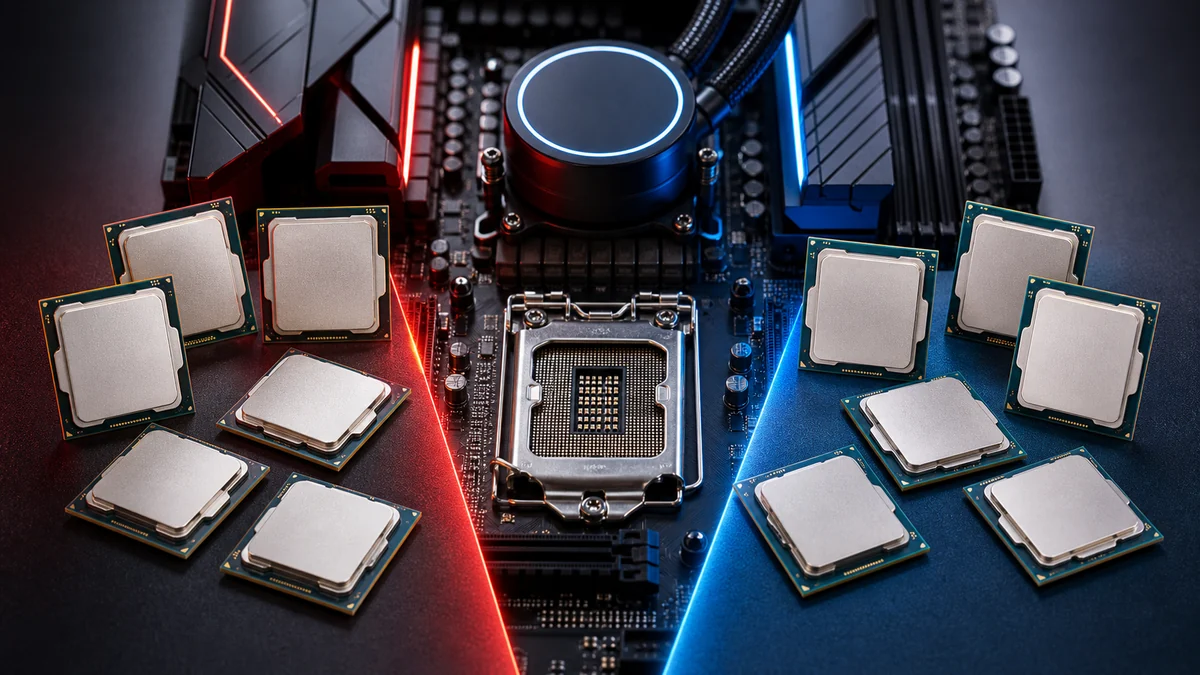
Key decision factors
| Factor | What it means | What to check |
|---|---|---|
| Gaming | Compare tested CPUs at the target GPU and resolution | Avoid using one game as the overall result |
| Productivity | Core design and application scaling matter | Check the software you actually use |
| Platform value | CPU, board, RAM, cooler, and power | Total build cost matters more than CPU price alone |
PCGearWiki separates manufacturer specifications from practical buying criteria. See our evaluation process and Review Methodology for how recommendations are assessed.
Selecting the right processor is one of the most important decisions for PC builders, gamers, and creators. The choice between amd vs intel cpu options directly affects gaming frame rates, content creation speed, power consumption, and long-term upgrade paths. This guide examines three specific models using manufacturer specifications to highlight real differences for different use cases in.
We compared the AMD Ryzen 7 9800X3D, AMD Ryzen 5 5500, and Intel Core Ultra 9 285K. Readers will learn how core architecture, cache size, platform support, and efficiency claims translate into practical performance. The analysis focuses on gaming, productivity, compatibility, and value so you can match a processor to your workload and budget. Additional context appears in our Comparisons section.

Pros
- Leading gaming processor with Zen 5 and 3D V-Cache integration
- Strong cache size for better sustained performance and clock stability
- Compatible with proven AM5 infrastructure for future-proofing
- Solid core and thread count for balanced productivity and play
Cons
- Cooler not included requiring separate purchase
- 140W power draw demands robust cooling solutions
- New release with limited long-term user data available
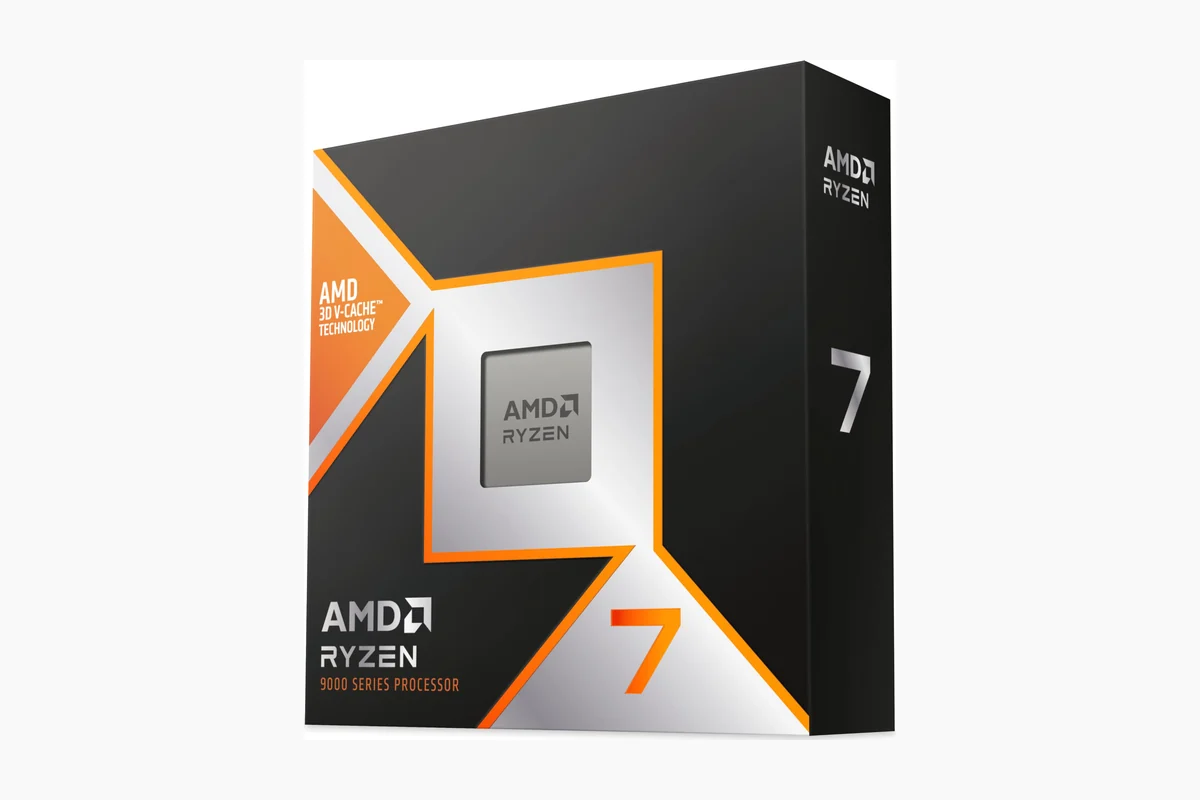
| Processor Series | Ryzen 7 |
|---|---|
| Processor Speed | 4.7 GHz |
| Processor Socket | Socket AM5 |
| Secondary Cache | 8 MB |
| Wattage | 140 watts |
| Cache Memory Installed Size | 104 MB |
| Processor Count | 8 |
| Processor Number of Concurrent Threads | 16 |
| Processor Core Count | 8 |
| Cooling Method | External Cooler |
Best suited to shoppers comparing cpu processors products who specifically need unlock superior gaming performance through advanced 3D V-Cache technology that boosts frame rates in demanding titles, Experience up to 16 percent IPC uplift for….
Before buying, compare the exact model’s compatibility, dimensions, core specifications, warranty, recurring owner feedback, and current price against other cpu processors options. Retailer availability and pricing can change after publication.
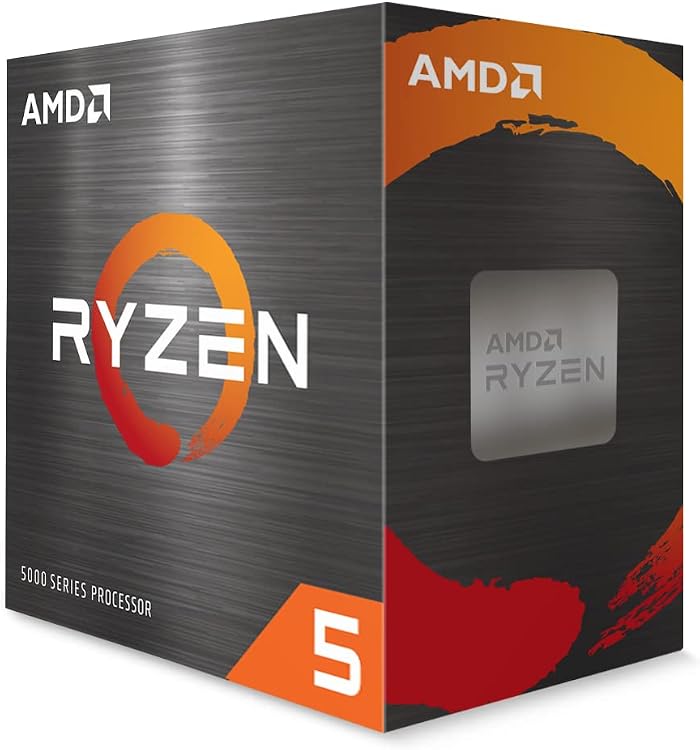
Pros
- 6 cores and 12 threads enable strong multi-threaded performance
- Unlocked multiplier allows user-driven overclocking
- Included cooler reduces need for separate purchases
- 19 MB cache aids quick access to frequently used data
- 65W TDP supports efficient operation in standard builds
Cons
- Requires a discrete graphics card for gaming use
- Restricted to the aging Socket AM4 platform
- No integrated graphics limits options in basic systems
| Processor Series | Ryzen 5 |
|---|---|
| Processor Speed | 4.2 GHz |
| Processor Socket | Socket AM4 |
| Secondary Cache | 16 MB |
| Wattage | 65 watts |
| Cache Memory Installed Size | 19 MB |
| Processor Count | 6 |
| Processor Number of Concurrent Threads | 12 |
| Processor Core Count | 6 |
| Cooling Method | air cooling |
Best suited to shoppers comparing cpu processors products who specifically need delivers smooth high-FPS gaming in popular titles when paired with a discrete graphics card, Supports efficient multitasking and productivity workloads with 12 processing threads.
Before buying, compare the exact model’s compatibility, dimensions, core specifications, warranty, recurring owner feedback, and current price against other cpu processors options. Retailer availability and pricing can change after publication.

Pros
- Strong multi-core performance for creation workloads
- Unlocked multiplier for enthusiast tuning
- Modern connectivity with PCIe 5.0 support
- Efficient hybrid architecture balances speed and power
Cons
- No thermal solution included requiring separate cooler purchase
- Requires new LGA 1851 motherboard for installation
- High power draw at 125W base may increase energy costs
| Processor Series | Core i9 |
|---|---|
| Processor Speed | 5.7 GHz |
| Processor Socket | LGA 1851 |
| Secondary Cache | 36 MB |
| Wattage | 125 watts |
| Cache Memory Installed Size | 40 MB |
| Processor Count | 24 |
| Processor Number of Concurrent Threads | 24 |
| Processor Core Count | 24 |
| Platform | Windows 11 |
Best suited to shoppers comparing cpu processors products who specifically need delivers high performance for gaming and content creation through hybrid core architecture that optimizes workloads efficiently, Unlocked design enables overclocking up to 5.7 GHz….
Before buying, compare the exact model’s compatibility, dimensions, core specifications, warranty, recurring owner feedback, and current price against other cpu processors options. Retailer availability and pricing can change after publication.
How to Choose the Right Amd Vs Intel Cpu
Gaming Performance
Gaming performance depends heavily on cache size, clock speeds, and architecture optimizations. According to manufacturer specifications, the AMD Ryzen 7 9800X3D features 96MB L3 cache and Next Gen 3D V-Cache technology, positioning it as a strong option for high frame rates in CPU-bound titles. This makes it a strong option for gamers who prioritize 1080p or 1440p competitive play.
The Intel Core Ultra 9 285K reaches up to 5.7 GHz with a hybrid architecture that includes 8 performance cores. It delivers solid results in modern titles that benefit from high clock speeds, though real-world gains vary by game engine. For most users seeking maximum gaming performance, the Ryzen 7 9800X3D offers a clear advantage based on available product data.
The AMD Ryzen 5 5500 provides capable 100+ FPS performance in popular games when paired with a discrete graphics card. Its 4.2 GHz boost and 19MB cache suit budget gaming builds, but it lacks the cache depth of newer options. Competitive players should verify compatibility with their current AM4 platform before choosing this model.
Productivity Performance
Productivity workloads such as video encoding, 3D rendering, and multitasking benefit from higher core counts. The Intel Core Ultra 9 285K provides 24 cores and 24 threads using a performance hybrid architecture that distributes tasks between performance and efficiency cores. This configuration supports heavy creator workflows according to the product description.
The AMD Ryzen 7 9800X3D offers 8 cores and 16 threads with a ~16% IPC uplift from Zen 5. It balances gaming and lighter productivity tasks efficiently. Users focused on content creation may prefer the Intel option for its higher core count when handling parallel workloads.
The AMD Ryzen 5 5500 includes 6 cores and 12 threads. It handles everyday productivity and light editing tasks but may struggle with heavily threaded applications compared to the other two models. Budget-conscious creators should evaluate whether its unlocked overclocking capability offsets the lower core count.
Core Count and Thread Count
Core and thread counts influence how well a processor handles simultaneous tasks. The Intel Core Ultra 9 285K leads with 24 cores (8 P-cores + 16 E-cores) and 24 threads. This hybrid design helps optimize performance across mixed workloads according to Intel specifications.
The AMD Ryzen 7 9800X3D uses 8 cores and 16 threads optimized for gaming through its large cache. The AMD Ryzen 5 5500 offers 6 cores and 12 threads. When comparing amd vs intel cpu options, higher core counts generally favor productivity while cache-focused designs favor gaming.
Power Efficiency
Power efficiency affects heat output, cooling requirements, and electricity costs. The AMD Ryzen 7 9800X3D emphasizes great power efficiency alongside its Zen 5 architecture. The Intel Core Ultra 9 285K focuses on improving both performance and efficiency so systems run cooler and quieter.
The AMD Ryzen 5 5500 operates on the older AM4 platform with DDR4 support. Its efficiency profile suits entry-level builds but may consume more power per performance unit than newer Zen 5 or Intel Core Ultra models. Always check your power supply capacity when selecting between these processors.
Platform Longevity
Platform longevity determines future upgrade potential. The AMD Ryzen 7 9800X3D uses Socket AM5, which offers proven infrastructure and longer support windows. The Intel Core Ultra 9 285K requires Intel 800 series chipset motherboards, limiting future CPU swaps to the same socket generation.
The AMD Ryzen 5 5500 is limited to the AM4 platform with DDR4 memory. Builders planning multi-year upgrades should weigh the AM5 platform’s longevity against the immediate cost savings of AM4. Check motherboard compatibility lists before finalizing any amd vs intel cpu decision.
Price-to-Performance Value
Value depends on matching features to actual needs rather than paying for unused capabilities. The AMD Ryzen 5 5500 includes a Wraith Stealth cooler and supports overclocking on AM4, delivering strong entry-level value. The AMD Ryzen 7 9800X3D targets gamers willing to invest in cache technology for higher frame rates.
The Intel Core Ultra 9 285K suits enthusiasts needing maximum cores and PCIe 5.0 support. Compare your workload against these strengths to avoid overspending. Mid-range choices often provide the strongest balance for most PC builders.
Technical Comparison
| Model | Key Specification | Best For | Main Strength | Value Rating |
|---|---|---|---|---|
| AMD Ryzen 7 9800X3D | 8 cores / 16 threads, 96MB L3 cache, up to 5.2 GHz, AM5 | Gaming-focused builds | Large 3D V-Cache for frame rates | High for gamers |
| AMD Ryzen 5 5500 | 6 cores / 12 threads, 19MB cache, 4.2 GHz, AM4, includes cooler | Budget gaming and upgrades | Affordable with bundled cooling | Strong for entry-level |
| Intel Core Ultra 9 285K | 24 cores (8P+16E) / 24 threads, 40MB cache, up to 5.7 GHz, Intel 800 series | Enthusiast productivity | Highest core count and hybrid design | Premium positioning |
Which One Should You Choose?
Choose the option that best matches your workload, performance expectations, and upgrade plans. Gamers, creators, competitive players, and everyday users often need different features, so there is no single best answer for everyone. Review the side-by-side data and consider pairing your processor with compatible components from our PC Builds resources.
Common Mistakes to Avoid
- Choosing based only on marketing claims.
- Ignoring compatibility with your current system.
- Paying for features you will not use.
- Assuming higher specifications always mean better real-world performance.
- Forgetting to consider long-term upgrade value.
Why You Should Trust PCGearWiki
PCGearWiki compares hardware using available specifications, compatibility context, feature differences, user feedback, and value analysis. Our goal is to explain trade-offs clearly so readers can make better buying decisions. We research platform support and cross-reference manufacturer data without claiming hands-on testing results.
Recommendations include transparency around affiliate links. This approach helps you evaluate amd vs intel cpu options based on factual product details rather than promotional language. Visit our Buying Guides for additional context on related components.
Final Thoughts
For most users, the right choice comes down to practical needs rather than the highest specification on paper. Compare your budget, workload, compatibility requirements, and long-term plans before choosing. The models reviewed represent different segments of the amd vs intel cpu landscape.
Best Overall: AMD Ryzen 7 9800X3D stands out for gamers due to its 96MB L3 cache and Zen 5 efficiency. Ideal for users building new AM5 systems focused on high frame rates.
Best Value: AMD Ryzen 5 5500 delivers capable performance with an included cooler at a lower entry price. It suits budget builds and AM4 upgraders who need solid 100+ FPS gaming.
Best Premium: Intel Core Ultra 9 285K provides the highest core count and hybrid architecture for serious creators. It fits enthusiasts on Intel 800 series platforms who prioritize productivity.
Frequently Asked Questions
Which option is better for gaming?
The AMD Ryzen 7 9800X3D offers the strongest gaming profile among the three due to its large cache. The Intel Core Ultra 9 285K provides competitive clock speeds while the Ryzen 5 5500 remains viable for budget gaming. Match your resolution and refresh rate expectations to the specifications.
How does core count affect amd vs intel cpu choice?
Higher core counts like the 24 cores in the Intel Core Ultra 9 285K benefit heavily threaded applications. Lower core counts with large cache, such as the Ryzen 7 9800X3D, often deliver better gaming results. Evaluate your primary workloads before deciding.
Is platform longevity important when choosing between amd vs intel cpu?
Yes. The AM5 platform used by the Ryzen 7 9800X3D supports longer upgrade paths compared to the AM4 platform of the Ryzen 5 5500. Intel’s 800 series limits future swaps. Factor socket support into your decision for multi-year builds. See related advice in our Tech News updates.
Which option offers better value?
The AMD Ryzen 5 5500 provides strong value for budget users through its included cooler and AM4 compatibility. The Ryzen 7 9800X3D justifies its position for gamers needing cache advantages. The Intel model targets premium productivity buyers.
How long does a amd vs intel cpu typically last?
Most modern processors remain relevant for 4-6 years depending on workload demands. Newer AM5 and Intel 800 series options generally offer longer support horizons than older AM4 chips. Plan upgrades around your specific performance requirements rather than arbitrary timelines.
AMD vs Intel CPU: How to Choose for Your Build
The AMD vs Intel decision depends on more than brand preference. The right CPU should match your motherboard platform, memory support, cooling budget, gaming resolution, productivity workload, and upgrade plans. Both companies make strong processors, so the best choice is usually the chip that offers the right mix of performance and platform value at the time you buy.
AMD Ryzen CPUs are often attractive for efficient gaming performance, strong multi-core value, and long platform support. Many builders also like AMD when they want a clear upgrade path without replacing the motherboard too soon. Ryzen X3D models are especially strong for gaming because their extra cache can improve performance in CPU-sensitive games.
Intel Core CPUs can be excellent for mixed workloads, high clock speeds, and systems that combine gaming with content creation. Intel chips often perform well in applications that benefit from strong single-core speed and hybrid core designs. They can also be a good choice when motherboard pricing, bundle deals, or specific software optimizations favor Intel.
Choose AMD If
- You want strong gaming performance with good power efficiency.
- You are considering an X3D CPU for high-FPS gaming.
- You care about platform longevity and future CPU upgrades.
- You want competitive multi-core performance without overspending.
Choose Intel If
- You use software that benefits from Intel’s architecture or Quick Sync.
- You want strong performance across gaming, streaming, and productivity.
- You find a better motherboard and CPU bundle in your price range.
- You prefer Intel’s platform features for your specific build.
For most gaming PCs, do not compare CPUs in isolation. Check the total platform cost, including motherboard, RAM, cooler, and power requirements. A slightly slower CPU can be the better purchase if it lets you spend more on the GPU, SSD, or monitor, which may improve the overall experience more.
Sources and Verification
Research basis: Product identity, dimensions, interfaces, supported features, and warranty terms are checked against available manufacturer documentation and current retailer listings. Price, stock, and aggregate customer ratings can change after publication.
Testing disclosure: Unless this article explicitly states that PCGearWiki performed hands-on testing and describes the test setup, recommendations are research-based editorial evaluations rather than PCGearWiki laboratory measurements. Customer feedback is used to identify recurring ownership patterns, not as proof of technical performance.
Last source review: September 22, 2026. See our Review Methodology, Editorial Policy, and Corrections Policy.


Write Your Review
No reviews yet. Be the first to share your experience!