

Last updated: September 22, 2026
Quick answer: Selecting Best Desktop CPUs requires balancing single-thread execution speed against multi-threaded workload demands. Main trade-off centers on platform entry cost versus long-term socket upgrade paths. Budget limits dictate motherboard voltage regulator module quality, cooling overhead, and whether DDR4 or DDR5 system memory maximizes compute efficiency.
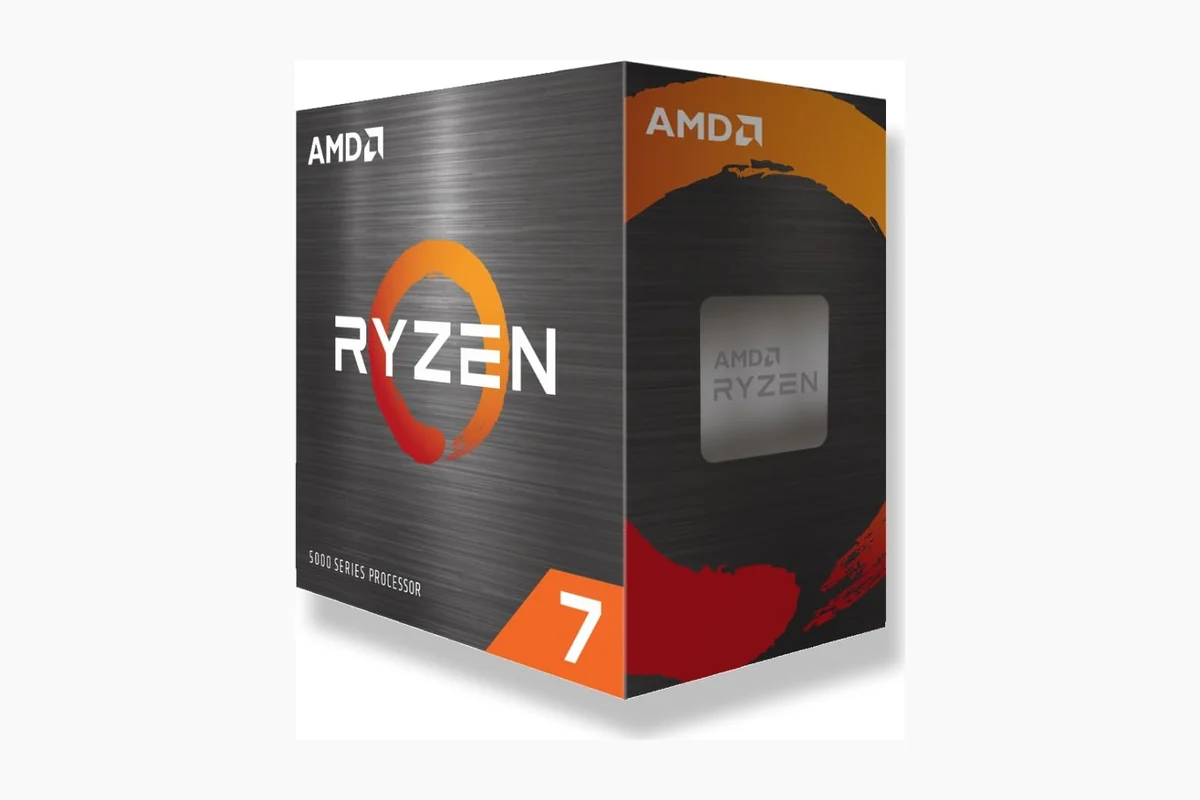
Processor selection defines system capability across gaming, local compute tasks, and high-throughput compilation. Desktop platform performance depends on IPC (instructions per cycle), core topology, cache hierarchy, and interface bandwidth. Evaluating Best Desktop CPUs in September 2026 demands looking past peak boost clock claims. Motherboard chipsets, socket lifespans, and memory topologies directly influence whether high-tier silicon maintains rated clock speeds or throttles under sustained current draw.
Builders pairing high-end silicon with graphics hardware must prevent processing bottlenecks. A modern gaming rig requires synchronized throughput across compute subsystems, detailed in our CPUs guide and platform breakdowns. Evaluating modern desktop options involves inspecting power dissipation characteristics, platform memory trace routing, and peripheral interconnect expansion. This analysis delivers direct technical evaluation criteria across compute workloads without unsupported retail marketing fluff.
How to Choose the Best Desktop CPUs
Selecting desktop processor hardware involves auditing specific compute loads, platform bus lanes, thermal dissipation headroom, and system electrical budgets. Matching processor traits to application execution behavior avoids wasted capital on unused functional blocks.
Gaming Performance
Gaming workloads rely heavily on single-thread execution speed, low memory latency, and large on-die cache pools. Modern 3D rendering pipelines demand rapid draw-call dispatch from CPU threads to graphics pipeline queues. When game engines process complex physics routines, entity states, and geometry submission, high instruction-per-cycle throughput prevents dropped frames and stutter.
Enlarged Level 3 (L3) cache architectures keep critical assets closer to execution units. This reduces penalties associated with fetching instructions across external memory buses. For titles sensitive to frame-time variance, stacked cache modules or low-latency ring bus designs smooth out 1% low frame rates. System builders targeting competitive frame rates at 1080p or 1440p see higher impact from CPU memory sub-systems than builders running GPU-bound 4K rendering configurations. Check details on render pipeline bottlenecks in our breakdown covering how frame rates scale with hardware.
Productivity Performance
Productivity performance scales through dense, sustained multi-threaded execution. Workstation tasks such as video encoding, code compilation, 3D ray tracing, and simulation modeling distribute calculations across all available hardware execution contexts. Workloads utilizing AVX-512 vector extensions or complex matrix math demand robust arithmetic logic units (ALUs) and wide floating-point registers.
Content creators handling high-bitrate media exports benefit from integrated silicon encoders alongside general-purpose compute cores. When balancing productivity tasks with external capture hardware, review throughput mechanics detailed in our guide on the best streaming hardware configurations. Unlike bursty desktop software, professional creative workloads pin core utilization at maximum capacity for extended render durations. This sustained workload rapidly exposes deficiencies in thermal interface materials and motherboard power delivery networks.
Core Count and Thread Count
Evaluating core topologies requires distinguishing between homogenous execution designs and heterogeneous architectures utilizing mixed performance and efficiency silicon blocks. Performance cores target wide vector math and high clock ceilings for immediate responsiveness. Efficiency cores provide narrow pipeline throughput optimized for low-power background operations and dense thread distribution.
Operating system schedulers manage thread assignment based on workload priority. Pure six-core and eight-core processors provide optimal single-thread allocations for standard gaming, leaving negligible architectural overhead. Workloads executing background virtual machines, streaming transcode passes, and active rendering stacks demand twelve to sixteen cores or mixed twenty-four-thread configurations. Adding cores past application parallelization limits yields diminishing returns, inflating power draw and thermal density without accelerating productivity.
Power Efficiency
Processor thermal design power (TDP) ratings rarely reflect peak electrical load during sustained vector execution. Modern silicon dynamically exploits available package power tracking limits, drawing electrical current up to motherboard power limits until thermal thresholds force operational throttling. Processors manufactured on smaller process nodes achieve higher performance-per-watt ratios, yet concentrate heat over smaller physical die surfaces.
High thermal density necessitates matching dissipation gear to processor limits. Mid-range processors operating under 105W package power run reliably using standard tower heatsinks, as cataloged in our air cooler compatibility guide. High-wattage desktop flags exceeding 200W package power spikes demand high-surface-area liquid cooling loops or dual-tower heatsinks housed within chassis optimized for rapid exhaust exchange. Case configurations must provide unrestricted intake paths, detailed in our recommendations for compact airflow ATX cases.
Platform Longevity
Platform decisions establish upgrade ceilings across multiple hardware generations. A CPU purchase binds the system to specific socket standards, memory types, and peripheral connectivity generations. Sockets designed for multi-generation support allow drop-in microarchitecture upgrades using initial motherboard hardware, saving platform re-investment costs downstream.
Motherboard selection determines whether future expansion slots operate at maximum lanes. Reviewing available options on dedicated motherboard platforms ensures voltage regulator modules feature adequate thermal mass and phase arrays. Motherboards sporting weak power stages throttle high-tier SKUs even when chassis cooling is adequate. Look for PCIe 5.0 lane provisioning across primary PEG slots and M.2 storage interconnects to maintain high-speed connectivity as peripheral bandwidth demands rise over multi-year cycles.
Price-to-Performance Value
Total platform cost encompasses more than the bare CPU purchase price. Calculating value requires summing processor cost, motherboard platform tier, memory module generation, and cooling overhead. Entry and mid-tier processors often yield superior value because they run stably on mainstream chipsets and moderate air coolers while utilizing affordable system memory.
Deploying flagship silicon requires premium power delivery networks, expansive chassis volume, and liquid cooling infrastructure. This hardware overhead doubles platform build investment to capture nominal percentage gains in real-world workloads. When allocation tradeoffs dictate sacrificing graphics tiering to fund extreme-tier processing silicon, total system balance collapses. Builders achieve higher general system throughput by maintaining balanced budget splits between compute engines and graphics hardware.
Technical Architecture Comparison
Evaluating CPU market offerings requires understanding target deployment profiles, memory channel configurations, and thermal dissipation metrics across hardware generations:
| Platform Profile | Core Topology Focus | Primary Memory Support | Typical Package Power | Target Workload Focus |
|---|---|---|---|---|
| Mainstream Gaming Tier | 6 to 8 Unified Cores | Dual-Channel DDR5 | 65W – 120W | High-FPS Gaming, General Multitasking |
| Performance Hybrid Tier | Mixed Performance/Efficiency Cores | Dual-Channel DDR4 / DDR5 | 125W – 180W | Mixed Gaming, Software Development |
| Enthusiast Creator Tier | 12 to 16 High-Throughput Cores | Dual-Channel DDR5 Low-Latency | 105W – 170W | Video Production, Local LLM Inference |
| Heavy Workstation Tier | Dense Multi-Die Compute Arrays | Multi-Channel ECC / High Capacity | 170W – 250W+ | 3D Rendering, Scientific Computation |
Why You Should Trust PCGearWiki
PCGearWiki evaluates computing hardware through architectural verification, motherboard socket lifecycle audits, memory sub-system topologies, and power delivery standards. Our assessments rely on manufacturer documentation, engineering white papers, firmware updates, and validated hardware specifications. We dissect product capability without bias toward marketing labels or promotional claims.
Platform compatibility remains core to our editorial reviews. We cross-reference VRM phase counts, thermal design specifications, PCIe lane bifurcation limitations, and socket retention requirements to identify real-world operating limits. Learn more about our technical guidelines and evaluation criteria on our methodology page.
We declare commercial affiliations openly. Referral arrangements never alter technical assessments, architecture critiques, or component compatibility checks. If a platform architecture features design defects, aggressive power limits, or unstable memory sub-systems, we highlight those constraints directly so builders can construct stable, balanced desktop rigs.
Final Thoughts
Building a stable, high-performance system begins with selecting a processor that matches intended daily computational intensity. Over-allocating budget to extreme flagship chips with high core counts frequently compromises power supply headroom, cooling quality, and graphics capability. Conversely, underspending on processing power creates stubborn frame delivery hitches and chokes continuous data ingestion during render tasks.
Match the processor to system-wide component targets. High-frame-rate gaming thrives on high single-thread instructions per cycle and expanded cache designs. Workstation rendering and code builds scale across dense multithreading cores backed by high-capacity memory kits found in our system memory guides. Maintain system equilibrium across platform VRMs, thermal cooling limits, and component spending to build a durable desktop computing setup.
Frequently Asked Questions
What is the best desktop CPU approach in 2026?
The optimal approach prioritizes architectural efficiency, IPC output, and platform socket longevity over peak core counts. Pure gaming rigs maximize cache hierarchy and per-core boost frequencies, while dedicated workstations require multi-threaded core capacity, high sustained package power handling, and multi-channel system memory bandwidth.
How much should you spend on desktop processors?
Mainstream gaming systems achieve balanced performance by spending between twenty and thirty percent of total build budget on CPU hardware. Workstation configurations running production renders, heavy computational mathematics, or virtualized development environments justify allocating up to forty percent of platform funds toward high-thread processors.
Is it worth upgrading your desktop CPU in 2026?
Upgrading delivers tangible value if your current silicon bottlenecks modern graphics hardware or lacks instruction support for newer application standards. If existing hardware maintains stable frame paces, acceptable thermal profiles, and adequate render export speeds, delay socket platform transitions until architectural node shifts offer double-digit IPC improvements.
Which cooling solution is required for high-tier desktop processors?
Processors rated up to 105W package dissipation operate reliably with dense tower air coolers, such as models featured in our quiet CPU cooler analysis. Unlocked enthusiast processors drawing above 170W under sustained load require 280mm or 360mm all-in-one liquid radiators to prevent thermal throttling.
How long do modern desktop processors remain viable?
Modern desktop processors built on modern microarchitectures deliver four to six years of competitive service life. Core count saturation across consumer applications means IPC preservation and platform interface updates, such as PCIe and DDR revisions, dictate system obsolescence far sooner than raw silicon execution failure.
Add PCGearWiki as a preferred source on Google
Sources and Verification
Research basis: Product identity, dimensions, interfaces, supported features, and warranty terms are checked against available manufacturer documentation and current retailer listings. Price, stock, and aggregate customer ratings can change after publication.
Testing disclosure: Unless this article explicitly states that PCGearWiki performed hands-on testing and describes the test setup, recommendations are research-based editorial evaluations rather than PCGearWiki laboratory measurements. Customer feedback is used to identify recurring ownership patterns, not as proof of technical performance.
Last source review: September 22, 2026. See our Review Methodology, Editorial Policy, and Corrections Policy.


Write Your Review
No reviews yet. Be the first to share your experience!