

How Many Watts for Gaming PC? PSU Sizing Guide
Gaming PC power supply sizing requires balancing GPU transient spikes, CPU draw, and 50% load efficiency curves. Most modern gaming builds operate best with high-quality 650W to 850W power units.
We independently review PC hardware. Purchases made through our links may earn us a commission. Learn more ›
Explore graphics card articles on PCGearWiki: expert PC hardware reviews, buying guides, comparisons, and tips to help you choose the right parts.
Gaming PC power supply sizing requires balancing GPU transient spikes, CPU draw, and 50% load efficiency curves. Most modern gaming builds operate best with high-quality 650W to 850W power units.

MSI B850 Gaming Plus WiFi delivers PCIe 5.0 GPU bandwidth, triple M.2 storage, and Wi-Fi 7 on AMD AM5 socket. Specification analysis reveals solid midrange balance for Ryzen 9000 systems without premium X870 platform pricing.
Check frame rate using built-in client toggles, GPU drivers, or external telemetry monitors. Choose lightweight counters for quick checks or RTSS for deep frame-time diagnostic profiling.
Running local LLMs requires 8 GB VRAM for entry-level 7B/8B quantized models, 16 GB for 14B models, and 24 GB or more for 32B to 70B architectures. Exact memory requirements depend on model parameter count, quantization bit-depth, and context window size.
PC game stuttering happens when uneven frame delivery times disrupt frame pacing across CPU, GPU, or storage pipelines. This diagnostic guide isolates shader compilation, VRAM bottlenecks, DPC latency, and sync misconfigurations.
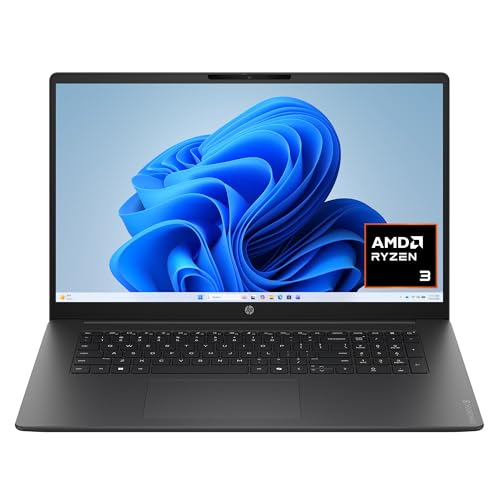
Selecting laptop for video editing demands balancing CPU thread counts, GPU media engines, memory capacity, and color-accurate displays. This guide outlines baseline hardware thresholds and analyzes available entry-level configurations.

Selecting best 4K monitor requires matching refresh rate and panel type to GPU power and daily workflow. Analysis covers top UHD options across productivity, color precision, and high-refresh gaming.

RTX 5060 Ti 16GB prevents PCIe texture spillover at 1440p with ray tracing active. The 8GB variant saves money for pure 1080p competitive workloads but lacks headroom for asset-dense modern releases.

ASUS ROG Strix G16 (2025) combines an Intel Core i7-14650HX CPU and NVIDIA RTX 5060 GPU with advanced thermal design. This specification analysis details hardware capabilities, cooling architecture, and purchase trade-offs.

Nvidia RTX 5090 targets extreme workstations and uncompromised high-refresh 4K gaming with massive memory bandwidth. RTX 5080 delivers flagship rasterization efficiency for standard high-end builds at lower power demands.