

Last updated: September 22, 2026
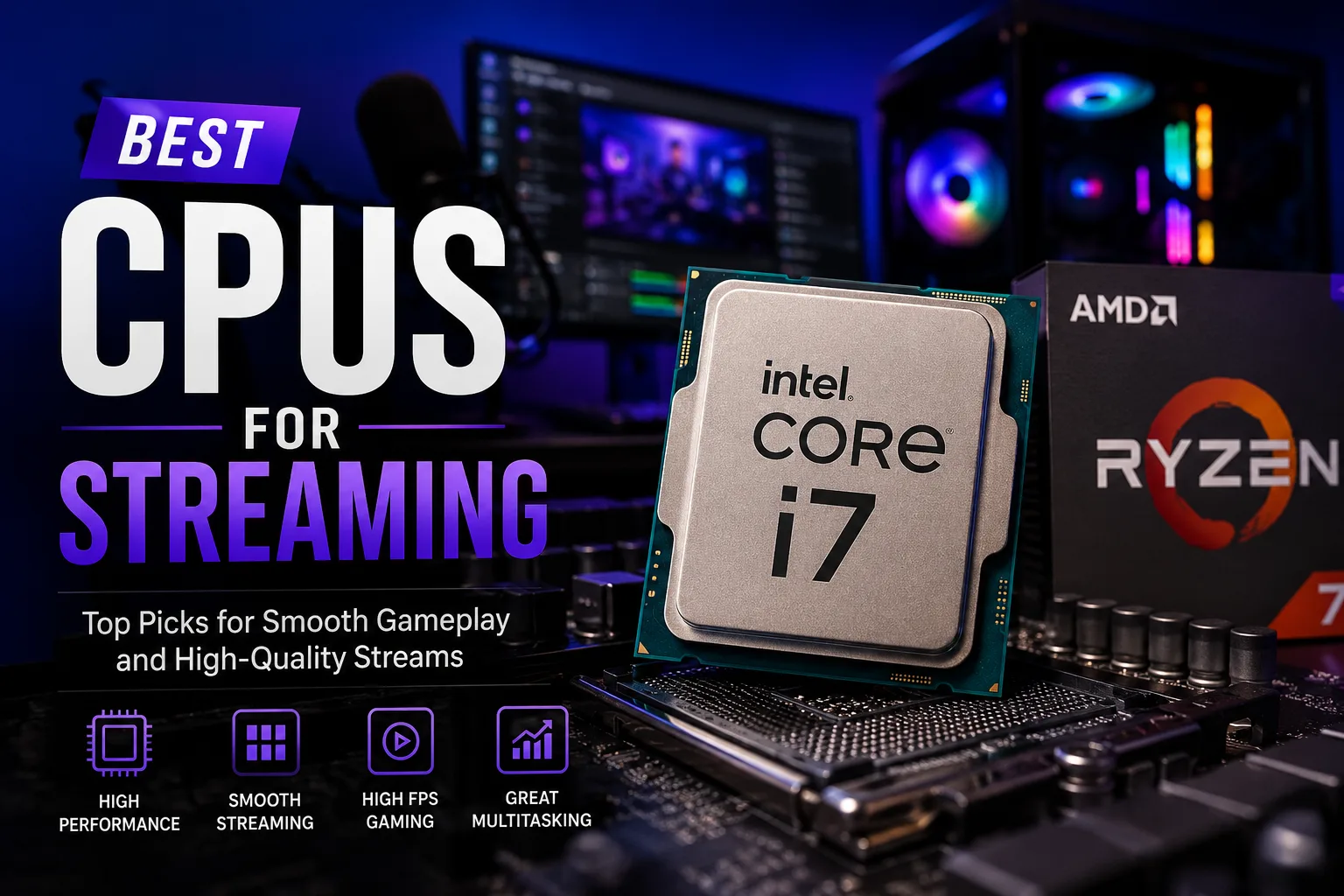
Quick answer: For most gaming streams, choose a modern 6- or 8-core CPU and use the GPU’s hardware encoder. Move to a higher-core-count processor when you encode with x264, stream CPU-heavy games, edit video on the same PC, or run several production applications while live.
The right streaming CPU depends on the encoder, not core count alone. OBS with NVENC, AMD AMF, or Intel Quick Sync places a different load on the processor than CPU-based x264 encoding. This guide separates those workloads so buyers do not overpay for cores they will not use.
Compare at a Glance
| # | Product | Editorial Score | Processor Series | Processor Speed |
|---|---|---|---|---|
| 1 | AMD Ryzen 7 9800X3D 8-Core Zen 5 | 9.9 Outstanding | Ryzen 7 | 4.7 GHz |
| 2 | AMD Ryzen 7 5800XT 8-Core 16-Thread Unlocked | 9.4 Excellent | Ryzen 7 | 3.8 GHz |
| 3 | AMD Ryzen 9 9950X3D 16-Core Zen 5 | 9.5 Outstanding | - | - |
| 4 | AMD Ryzen 5 5500 6-Core 12-Thread Unlocked | 9.5 Outstanding | Ryzen 5 | 4.2 GHz |
| 5 | AMD Ryzen 7 7800X3D 8-Core 16-Thread 4.2 | 9.5 Outstanding | Ryzen 7 | 4.2 GHz |
| 6 | AMD Ryzen 9 5900XT 16-Core 32-Thread Unlocked | 9.4 Excellent | Ryzen 9 | 3.3 GHz |
| 7 | Intel Core Ultra 7 270K Plus 24-Core | 9.7 Outstanding | Intel Core Ultra 7 | 3.7 GHz |
| 8 | Intel Core i9-14900K Unlocked 24-Core 6.0 GHz | 9.8 Outstanding | Core i9 | 6 GHz |
| 9 | Intel Core Ultra 9 285K 24-Core Desktop | 9.6 Outstanding | Core i9 | 5.7 GHz |
| 10 | AMD Ryzen 7 5700X 8-Core 16-Thread Unlocked | 9.5 Outstanding | Ryzen 7 | 4.6 GHz |

AMD Ryzen 7 9800X3D 8-Core Zen 5 Gaming Processor
Pros
- Leading gaming processor with Zen 5 and 3D V-Cache integration
- Strong cache size for better sustained performance and clock stability
- Compatible with proven AM5 infrastructure for future-proofing
- Solid core and thread count for balanced productivity and play
Cons
- Cooler not included requiring separate purchase
- 140W power draw demands robust cooling solutions
- New release with limited long-term user data available
| Processor Series | Ryzen 7 |
|---|---|
| Processor Speed | 4.7 GHz |
| Processor Socket | Socket AM5 |
| Secondary Cache | 8 MB |
| Wattage | 140 watts |
| Cache Memory Installed Size | 104 MB |
| Processor Count | 8 |
| Processor Number of Concurrent Threads | 16 |
| Processor Core Count | 8 |
| Cooling Method | External Cooler |
Best suited to shoppers comparing cpu processors products who specifically need unlock superior gaming performance through advanced 3D V-Cache technology that boosts frame rates in demanding titles, Experience up to 16 percent IPC uplift for….
Before buying, compare the exact model’s compatibility, dimensions, core specifications, warranty, recurring owner feedback, and current price against other cpu processors options. Retailer availability and pricing can change after publication.

Pros
- Strong multi-threaded performance for gaming and content creation
- Unlocked design enables easy overclocking
- Includes capable RGB cooler to manage thermals
- Compatible with existing AM4 motherboards for cost-effective upgrades
Cons
- Limited to older AM4 socket and DDR4 memory
- 105W TDP requires adequate case airflow
- Lacks integrated graphics so discrete GPU is needed
| Processor Series | Ryzen 7 |
|---|---|
| Processor Speed | 3.8 GHz |
| Processor Socket | Socket AM4 |
| Secondary Cache | 4 MB |
| Wattage | 105 watts |
| Cache Memory Installed Size | 36 |
| Processor Count | 8 |
| Processor Number of Concurrent Threads | 16 |
| Processor Core Count | 8 |
| Cooling Method | Heatsink and Fan |
Best suited to shoppers comparing cpu processors products who specifically need deliver powerful gaming and multitasking with 8 cores and 16 threads on proven Zen 3 architecture, Reach high speeds up to 4.8 GHz max….
Before buying, compare the exact model’s compatibility, dimensions, core specifications, warranty, recurring owner feedback, and current price against other cpu processors options. Retailer availability and pricing can change after publication.

Pros
- High boost clock supports demanding games
- Strong multi-threaded content creation speeds
- Modern Zen 5 design for better efficiency
- Broad AM5 platform compatibility
Cons
- Needs AM5 motherboard and DDR5 memory
- May run hot during sustained loads
- Best paired with high-end cooling solutions
| Brand | AMD |
|---|---|
| CPU Manufacturer | AMD |
| CPU Model | Unknown |
| CPU Speed | 4.3 GHz |
| CPU Socket | Socket AM5 |
Best suited to shoppers comparing cpu processors products who specifically need enables smooth high-frame-rate gaming with rapid boost clocks, Accelerates video editing and 3D rendering through 16 cores.
Before buying, compare the exact model’s compatibility, dimensions, core specifications, warranty, recurring owner feedback, and current price against other cpu processors options. Retailer availability and pricing can change after publication.
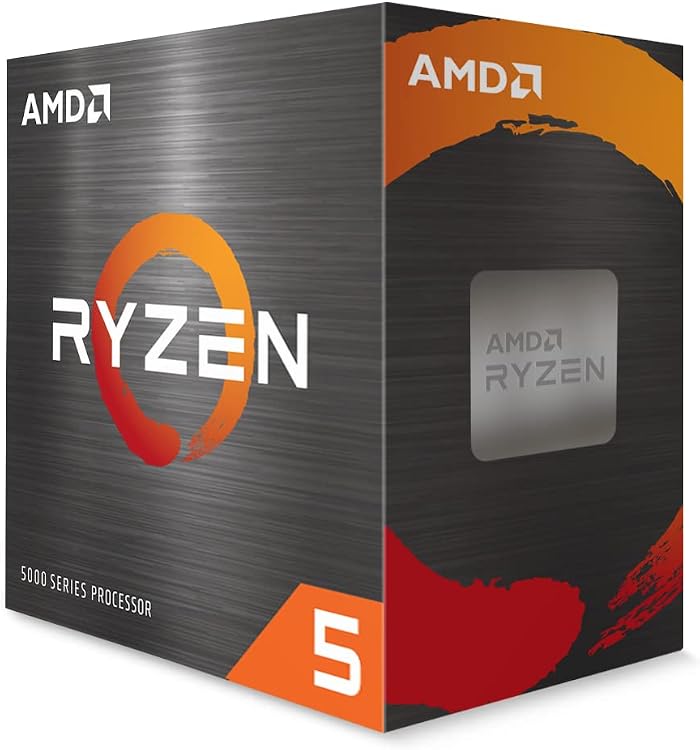
Pros
- 6 cores and 12 threads enable strong multi-threaded performance
- Unlocked multiplier allows user-driven overclocking
- Included cooler reduces need for separate purchases
- 19 MB cache aids quick access to frequently used data
- 65W TDP supports efficient operation in standard builds
Cons
- Requires a discrete graphics card for gaming use
- Restricted to the aging Socket AM4 platform
- No integrated graphics limits options in basic systems
| Processor Series | Ryzen 5 |
|---|---|
| Processor Speed | 4.2 GHz |
| Processor Socket | Socket AM4 |
| Secondary Cache | 16 MB |
| Wattage | 65 watts |
| Cache Memory Installed Size | 19 MB |
| Processor Count | 6 |
| Processor Number of Concurrent Threads | 12 |
| Processor Core Count | 6 |
| Cooling Method | air cooling |
Best suited to shoppers comparing cpu processors products who specifically need delivers smooth high-FPS gaming in popular titles when paired with a discrete graphics card, Supports efficient multitasking and productivity workloads with 12 processing threads.
Before buying, compare the exact model’s compatibility, dimensions, core specifications, warranty, recurring owner feedback, and current price against other cpu processors options. Retailer availability and pricing can change after publication.

Pros
- Strong cache size improves real-world gaming speeds
- High thread count handles streaming alongside gameplay
- Modern AM5 socket supports long-term platform use
Cons
- Requires new AM5 motherboard and DDR5 memory
- Integrated graphics suit light tasks only
- Higher power use under full load compared to prior generations
| Processor Series | Ryzen 7 |
|---|---|
| Processor Speed | 4.2 GHz |
| Processor Socket | Socket AM5 |
| Secondary Cache | 8 MB |
| Wattage | 120 watts |
| Cache Memory Installed Size | 104 |
| Processor Count | 1 |
| Processor Number of Concurrent Threads | 16 |
| Processor Core Count | 8 |
| Platform | Windows 10, Windows 11 |
Best suited to shoppers comparing cpu processors products who specifically need delivers smooth multitasking for gaming and content creation with 16 threads, Large 104 MB cache boosts game loading and frame rates in demanding titles.
Before buying, compare the exact model’s compatibility, dimensions, core specifications, warranty, recurring owner feedback, and current price against other cpu processors options. Retailer availability and pricing can change after publication.

Pros
- High core and thread count handles intensive workloads effectively
- Unlocked multiplier allows flexible overclocking options
- Strong cache size improves data access speeds
- Compatible with existing AM4 motherboards for easy upgrades
Cons
- Cooler not included requiring separate purchase
- AM4 platform limits future upgrade paths compared to newer sockets
- 105W TDP demands adequate cooling solutions
| Processor Series | Ryzen 9 |
|---|---|
| Processor Speed | 3.3 GHz |
| Processor Socket | Socket AM4 |
| Secondary Cache | 8 MB |
| Wattage | 105 watts |
| Cache Memory Installed Size | 72 |
| Processor Count | 16 |
| Processor Number of Concurrent Threads | 32 |
| Processor Core Count | 16 |
| Cooling Method | aftermarket |
Best suited to shoppers comparing cpu processors products who specifically need unlocks high-performance multitasking for gaming and video editing with 16 cores and 32 threads, Delivers fast boost speeds up to 4.8 GHz for smooth….
Before buying, compare the exact model’s compatibility, dimensions, core specifications, warranty, recurring owner feedback, and current price against other cpu processors options. Retailer availability and pricing can change after publication.

Pros
- Unlocked design allows easy overclocking for enthusiasts
- Strong core configuration handles multiple tasks simultaneously
- Modern socket and memory support ensures longevity
- High turbo frequency improves real-time responsiveness
Cons
- Requires a new LGA1851 motherboard for installation
- Higher power draw during peak loads compared to prior generations
- Air cooling may need upgrading for maximum overclocking stability
| Processor Series | Intel Core Ultra 7 |
|---|---|
| Processor Speed | 3.7 GHz |
| Processor Socket | LGA1851 |
| Secondary Cache | 36 MB |
| Wattage | 125 watts |
| Cache Memory Installed Size | 40 MB |
| Processor Count | 24 |
| Processor Number of Concurrent Threads | 24 |
| Processor Core Count | 24 |
| Cooling Method | Air |
Best suited to shoppers comparing cpu processors products who specifically need delivers fast responsiveness for gaming and multitasking with up to 5.5 GHz boost clocks, Supports high-speed DDR5 memory and PCIe 5.0 for smoother data….
Before buying, compare the exact model’s compatibility, dimensions, core specifications, warranty, recurring owner feedback, and current price against other cpu processors options. Retailer availability and pricing can change after publication.

Pros
- Exceptional core count enables strong productivity alongside gaming
- Unlocked multiplier supports advanced overclocking for enthusiasts
- Hybrid architecture balances performance and efficiency effectively
- Broad motherboard compatibility with Intel 600 and 700 series
Cons
- High power requirements demand robust cooling solutions
- Best performance needs a discrete graphics card
- May require BIOS update on some compatible motherboards
| Processor Series | Core i9 |
|---|---|
| Processor Speed | 6 GHz |
| Processor Socket | LGA 1700 |
| Secondary Cache | 20 |
| Wattage | 250 |
| Cache Memory Installed Size | 152 |
| Processor Count | 24 |
| Processor Number of Concurrent Threads | 32 |
| Processor Core Count | 24 |
| Platform | Windows 11 |
Best suited to shoppers comparing cpu processors products who specifically need achieve smoother gameplay and faster responsiveness with leading 6.0 GHz clock speeds, Manage heavy multitasking and streaming with 24 cores and 32 threads.
Before buying, compare the exact model’s compatibility, dimensions, core specifications, warranty, recurring owner feedback, and current price against other cpu processors options. Retailer availability and pricing can change after publication.

Pros
- Strong multi-core performance for creation workloads
- Unlocked multiplier for enthusiast tuning
- Modern connectivity with PCIe 5.0 support
- Efficient hybrid architecture balances speed and power
Cons
- No thermal solution included requiring separate cooler purchase
- Requires new LGA 1851 motherboard for installation
- High power draw at 125W base may increase energy costs
| Processor Series | Core i9 |
|---|---|
| Processor Speed | 5.7 GHz |
| Processor Socket | LGA 1851 |
| Secondary Cache | 36 MB |
| Wattage | 125 watts |
| Cache Memory Installed Size | 40 MB |
| Processor Count | 24 |
| Processor Number of Concurrent Threads | 24 |
| Processor Core Count | 24 |
| Platform | Windows 11 |
Best suited to shoppers comparing cpu processors products who specifically need delivers high performance for gaming and content creation through hybrid core architecture that optimizes workloads efficiently, Unlocked design enables overclocking up to 5.7 GHz….
Before buying, compare the exact model’s compatibility, dimensions, core specifications, warranty, recurring owner feedback, and current price against other cpu processors options. Retailer availability and pricing can change after publication.

Pros
- Strong 8-core 16-thread configuration for demanding applications
- Unlocked multiplier allows user-driven performance tuning
- Large 36 MB cache improves responsiveness in games and apps
- Energy-efficient 65W design reduces heat output during use
Cons
- Cooler not included requiring separate purchase for builds
- Lacks integrated graphics needing a discrete GPU
- AM4 platform nearing end of mainstream support
| Processor Series | Ryzen 7 |
|---|---|
| Processor Speed | 4.6 GHz |
| Processor Socket | Socket AM4 |
| Secondary Cache | 36 MB |
| Wattage | 65 watts |
| Cache Memory Installed Size | 36 MB |
| Processor Count | 8 |
| Processor Number of Concurrent Threads | 16 |
| Processor Core Count | 8 |
| Platform | Linux, Windows |
Best suited to shoppers comparing cpu processors products who specifically need boost gaming frame rates above 100 FPS in popular titles with discrete graphics, Enable smooth multitasking and content creation through 16 processing threads.
Before buying, compare the exact model’s compatibility, dimensions, core specifications, warranty, recurring owner feedback, and current price against other cpu processors options. Retailer availability and pricing can change after publication.
Pros
- Unlocked multiplier supports overclocking
- Includes Wraith Stealth Cooler
- Strong 6-core 12-thread configuration
- Compatible with Socket AM4 motherboards
- Energy efficient 65W TDP
Cons
- Requires discrete graphics card
- Limited to older AM4 platform
- Modest boost clock compared to newer generations
| Processor Series | Ryzen 5 |
|---|---|
| Processor Speed | 4.4 GHz |
| Processor Socket | Socket AM4 |
| Secondary Cache | 32 MB |
| Wattage | 65 watts |
| Cache Memory Installed Size | 35 MB |
| Processor Count | 6 |
| Processor Number of Concurrent Threads | 12 |
| Processor Core Count | 6 |
| Platform | Windows |
Best suited to shoppers comparing cpu processors products who specifically need unlocks higher gaming frame rates through fast core performance, Enables easy overclocking for customized speed boosts.
Before buying, compare the exact model’s compatibility, dimensions, core specifications, warranty, recurring owner feedback, and current price against other cpu processors options. Retailer availability and pricing can change after publication.

Pros
- Strong multi-core performance for gaming and productivity
- High boost clocks enhance real-world speed
- Future-ready with Zen 5 architecture and AM5 support
- Unlocked for overclocking flexibility
Cons
- Cooler not included requiring separate purchase
- Needs compatible motherboard for PCIe 5.0 features
- Power draw reaches 120 watts under load
| Processor Series | Ryzen 9 |
|---|---|
| Processor Speed | 4.4 GHz |
| Processor Socket | Socket AM5 |
| Secondary Cache | 12 MB |
| Wattage | 120 watts |
| Cache Memory Installed Size | 76 |
| Processor Count | 12 |
| Processor Number of Concurrent Threads | 24 |
| Processor Core Count | 12 |
| Platform | Windows 11 |
Best suited to shoppers comparing cpu processors products who specifically need deliver over 100 FPS in top games for immersive gameplay, Manage intensive multitasking and creation workloads efficiently.
Before buying, compare the exact model’s compatibility, dimensions, core specifications, warranty, recurring owner feedback, and current price against other cpu processors options. Retailer availability and pricing can change after publication.

Pros
- Strong gaming and multi-thread performance from Zen 5 architecture
- Unlocked multiplier supports enthusiast overclocking
- Efficient power draw at 65 watts for balanced builds
- Long platform support on AM5 with modern memory standards
Cons
- Cooler not included requiring separate purchase
- May need new AM5 motherboard for existing users
- Early product stage with limited independent benchmarks
| Processor Series | Ryzen 5 |
|---|---|
| Processor Speed | 3.9 GHz |
| Processor Socket | Socket AM5 |
| Secondary Cache | 6 MB |
| Wattage | 65 watts |
| Cache Memory Installed Size | 38 |
| Processor Count | 6 |
| Processor Number of Concurrent Threads | 12 |
| Processor Core Count | 6 |
| Cooling Method | air-cooled |
Best suited to shoppers comparing cpu processors products who specifically need deliver smooth gameplay above 100 FPS in top titles through efficient Zen 5 cores, Manage heavy multitasking and creation tasks with 12 threads for….
Before buying, compare the exact model’s compatibility, dimensions, core specifications, warranty, recurring owner feedback, and current price against other cpu processors options. Retailer availability and pricing can change after publication.
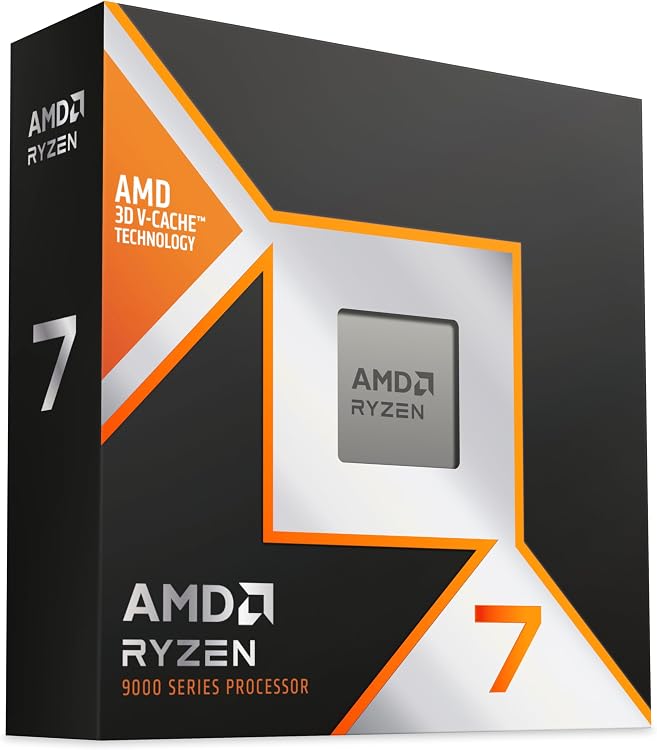
Pros
- Large cache size improves game loading and responsiveness
- AM5 socket ensures long-term platform compatibility
- Balanced core count suits both gaming and light content creation
Cons
- 140W TDP requires robust cooling solutions
- Only 8 cores limits heavy multi-threaded productivity tasks
- New model lacks extensive long-term reliability data
| Processor Series | AMD Ryzen 7 |
|---|---|
| Processor Speed | 4.7 GHz |
| Processor Socket | Socket AM5 |
| Secondary Cache | 8 MB |
| Wattage | 140 watts |
| Cache Memory Installed Size | 104 MB |
| Processor Count | 8 |
| Processor Number of Concurrent Threads | 16 |
| Processor Core Count | 8 |
| Item Dimensions L x W | 5"L x 5"W |
Best suited to shoppers comparing cpu processors products who specifically need accelerates gaming with massive 104 MB cache for reduced latency, Handles demanding titles at high frame rates on AM5 platforms.
Before buying, compare the exact model’s compatibility, dimensions, core specifications, warranty, recurring owner feedback, and current price against other cpu processors options. Retailer availability and pricing can change after publication.

Pros
- Unlocked multiplier for easy overclocking
- Strong single and multi-threaded speeds up to 5.0 GHz
- Hybrid cores optimize gaming and background tasks
- Broad motherboard compatibility including recent chipsets
Cons
- Requires a discrete graphics card
- 125W TDP demands robust cooling
- Platform limited to LGA 1700 socket
| Processor Series | Core i7 |
|---|---|
| Processor Speed | 3.6 GHz |
| Processor Socket | LGA 1700 |
| Secondary Cache | 25 MB |
| Wattage | 125 watts |
| Cache Memory Installed Size | 25 |
| Processor Count | 12 |
| Processor Number of Concurrent Threads | 20 |
| Processor Core Count | 12 |
| Platform | Windows |
Best suited to shoppers comparing cpu processors products who specifically need boosts gaming frame rates with hybrid architecture that prioritizes performance cores for demanding titles, Enables overclocking for enthusiasts to push speeds and fine-tune performance.
Before buying, compare the exact model’s compatibility, dimensions, core specifications, warranty, recurring owner feedback, and current price against other cpu processors options. Retailer availability and pricing can change after publication.

Pros
- High processor speed for responsive operation
- Large total cache improves data access
- AM5 socket ensures future platform compatibility
- Solid core configuration for parallel tasks
Cons
- High wattage requires robust cooling solutions
- Thread count limits extreme multi-threaded scaling
- Specialized edition may lack broad software optimization
| Processor Series | Ryzen 9 |
|---|---|
| Processor Speed | 5.6 GHz |
| Processor Socket | Socket AM5 |
| Secondary Cache | 8 MB |
| Wattage | 200 watts |
| Cache Memory Installed Size | 208 MB |
| Processor Count | 1 |
| Processor Number of Concurrent Threads | 16 |
| Processor Core Count | 16 |
| Item Dimensions L x W | 5"L x 1.4"W |
Best suited to shoppers comparing cpu processors products who specifically need maximizes gaming frame rates through elevated clock speeds, Supports efficient multitasking on AM5 motherboards.
Before buying, compare the exact model’s compatibility, dimensions, core specifications, warranty, recurring owner feedback, and current price against other cpu processors options. Retailer availability and pricing can change after publication.
How We Evaluated Streaming CPUs
We compared platform compatibility, core and thread count, sustained boost behavior, integrated-graphics availability, power limits, upgrade path, and price. Recommendations are grouped by hardware-encoded streaming, CPU-based x264 streaming, and mixed gaming-plus-production workloads. We did not treat a synthetic multi-core score as proof of better stream quality by itself.
| Streaming workflow | CPU priority | Practical starting point |
|---|---|---|
| Gaming + GPU encoder | Strong gaming performance and frame-time consistency | Modern 6 cores / 12 threads |
| x264 CPU encoding | More sustained multi-threaded throughput | 8 cores / 16 threads or higher |
| Gaming, streaming, editing and background apps | High core count plus platform bandwidth | 12 cores or workload-specific testing |
Encoder behavior should be verified with the OBS hardware encoding guide. Processor specifications come from AMD and Intel ARK. Read our Review Methodology. Last reviewed: August 21, 2026.
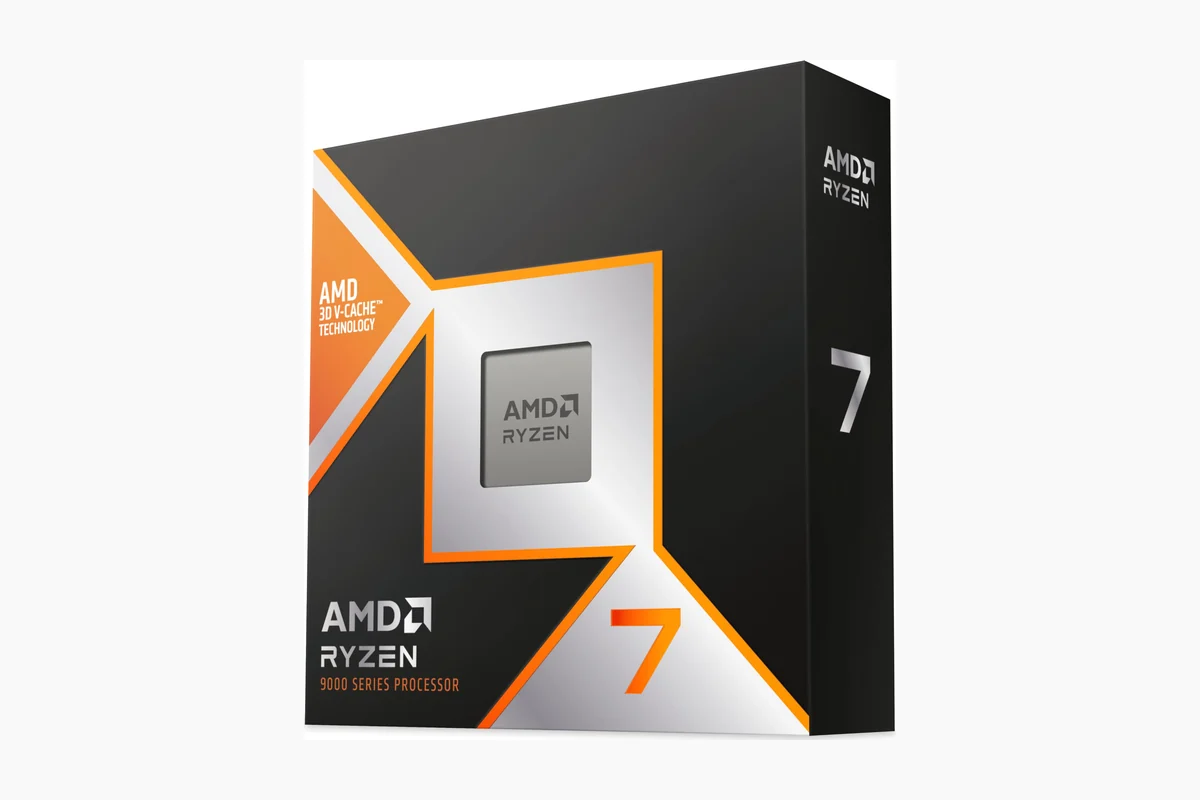
How to Choose the Best CPUs For Streaming
Choosing the best CPUs for Streaming depends on your budget, performance goals, compatibility requirements, and intended workload. Whether you’re building a gaming PC, upgrading an existing system, or assembling a workstation, understanding the most important specifications can help you avoid overspending and maximize value.
Gaming Performance
Performance should always be the first factor to consider when comparing Best CPUs for Streaming. Depending on the category, this may include gaming performance, productivity workloads, multitasking capability, power efficiency, or overall responsiveness. Evaluating real-world usage scenarios often provides more practical insights than specifications alone.
Productivity Performance
Productivity tasks like video encoding and streaming benefit from strong multi-core performance. Models such as the AMD Ryzen 9 9950X3D excel here according to manufacturer specifications.
Core Count and Thread Count
Higher core and thread counts improve multitasking and streaming efficiency. Compare options like the Intel Core i9-14900K with 24 cores against AMD Ryzen 7 7800X3D with 8 cores for your specific needs.
Power Efficiency
Power efficiency affects heat output and electricity costs. Based on published performance data, newer Zen 5 processors often deliver better efficiency than previous generations.
Platform Longevity
Platform support determines future upgrade paths. AMD AM5 offers extended compatibility compared to older sockets, helping your build last longer into 2026 and beyond.
Price-to-Performance Ratio
The most expensive model is not always the best choice. Many mid-range products deliver excellent performance while offering better overall value. Comparing performance relative to cost helps identify the most balanced options for different budgets.
Technical Comparison
| Model | Platform | Key Feature | Best For | Value Rating |
|---|---|---|---|---|
| AMD Ryzen 7 5800XT | AM4 | 8 cores, Wraith cooler | Budget streaming | High |
| AMD Ryzen 9 9900X | AM5 | 12 cores, Zen 5 | High-end productivity | High |
| Intel Core i9-14900K | LGA1700 | 24 cores hybrid | Enthusiast multitasking | Medium |
Why Trust PCGearWiki
Our recommendations are based on detailed specification analysis, platform compatibility research, manufacturer data, user feedback, and overall value assessments. We compare products across multiple categories to help readers make informed purchasing decisions with confidence.
As hardware generations evolve, we continuously review market trends and product updates to ensure our recommendations remain relevant and useful for PC builders, gamers, content creators, and technology enthusiasts. Visit the Buying Guides section for more.
Final Verdict
The AMD Ryzen 7 5800XT stands out as best value due to its strong core count and included cooler at a competitive price point. The AMD Ryzen 9 9950X3D is best overall for streaming thanks to its high thread count and cache advantages. For best budget, consider the AMD Ryzen 5 5600. The Intel Core i9-14900K offers best enthusiast performance for demanding workloads. See more in our Best CPUs guide.
Which CPU is best for gaming and streaming?
The best streaming CPU depends on whether your broadcast uses a GPU hardware encoder or CPU-based x264 encoding. Hardware encoding reduces CPU demand, so gaming performance and multitasking headroom become the priority. CPU encoding benefits more from additional cores. Compare the complete platform cost, cooling, game workload, broadcast settings, and background applications before upgrading.
Streaming CPUs decision table
| Decision factor | What to verify | Why it matters |
|---|---|---|
| Encoder strategy | GPU hardware encoding or CPU x264 | The chosen encoder changes how much CPU headroom the stream requires. |
| Game performance | Frame rate, frame-time consistency, and CPU-heavy games | The stream should not create avoidable drops in the game being captured. |
| Multitasking | Broadcast software, browser sources, alerts, chat, and recording | A real streaming session often runs far more than the game alone. |
| Platform cost | Motherboard, memory, cooler, power, and upgrade path | A faster CPU may be poor value if it requires an expensive platform rebuild. |
How we evaluated streaming CPUs
We compare gaming and application performance evidence, core and thread count, encoder use case, multitasking capacity, power behavior, cooling requirements, motherboard and memory cost, upgrade options, warranty, availability, and current value. We do not present manufacturer specifications as PCGearWiki benchmark results, and we distinguish streaming needs from offline rendering workloads.
Compare the graphics side of the setup in our streaming GPU guide, or review the broader best CPU comparison.
Read How We Evaluate Products and our Review Methodology for the full evidence and scoring process.
Frequently Asked Questions
Is a 6-core CPU enough for streaming?
A modern 6-core CPU can be enough when the GPU handles video encoding and the game is not heavily CPU-limited. More cores provide additional room for CPU encoding, demanding games, local recording, browser sources, and background tools. Judge the complete workload instead of core count alone.
Should I stream with the CPU or GPU encoder?
A current GPU hardware encoder is often the practical choice because it reduces CPU load and simplifies gaming performance. CPU x264 encoding can still make sense for specific quality targets or workflows, but it requires enough spare CPU capacity. Test the exact platform, resolution, frame rate, and encoder preset you intend to use.
Does streaming require more CPU than gaming?
Streaming adds broadcast software, scene composition, audio processing, alerts, browser sources, and sometimes recording. The extra CPU demand varies greatly when encoding is handled by the GPU. Monitor game frame times, dropped frames, encoder load, and system temperatures during a representative test stream.
Best CPUs for Streaming: What Actually Matters
A streaming CPU needs to handle the game, broadcast software, browser sources, alerts, chat tools, and background tasks at the same time. The right choice depends on whether you encode with the CPU or use GPU hardware encoding.
If you use GPU encoding, the CPU still matters for game performance and multitasking, but you may not need the highest core count. If you use CPU x264 encoding, more cores and threads become much more important, especially at higher quality presets.
Streaming CPU Priorities
- Enough cores for game and streaming software.
- Strong single-core performance for game FPS.
- Good thermals during long sessions.
- Platform support for enough RAM and fast storage.
- Headroom for browser sources and background apps.
When to Buy More CPU
- You stream and record at the same time.
- You use CPU encoding instead of GPU encoding.
- You play CPU-heavy games.
- You run many overlays, alerts, and tools.
For most streamers, a balanced CPU plus a modern GPU encoder is the easiest setup. Spend more on the CPU when your workflow clearly needs more multitasking or encoding headroom.
Add PCGearWiki as a preferred source on Google
Sources and Verification
Research basis: Product identity, dimensions, interfaces, supported features, and warranty terms are checked against available manufacturer documentation and current retailer listings. Price, stock, and aggregate customer ratings can change after publication.
Testing disclosure: Unless this article explicitly states that PCGearWiki performed hands-on testing and describes the test setup, recommendations are research-based editorial evaluations rather than PCGearWiki laboratory measurements. Customer feedback is used to identify recurring ownership patterns, not as proof of technical performance.
Last source review: September 22, 2026. See our Review Methodology, Editorial Policy, and Corrections Policy.


Write Your Review
No reviews yet. Be the first to share your experience!