
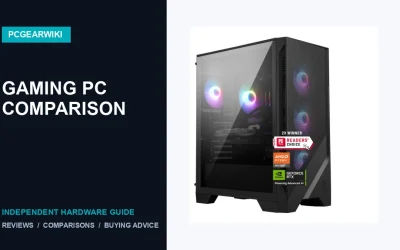
Gaming PC Comparison Guide: How to Compare Specs, Performance and Value
Compare gaming PCs by resolution, CPU and GPU balance, memory, storage, cooling, power supply quality, warranty, upgrade access, and total value.
We independently review PC hardware. Purchases made through our links may earn us a commission. Learn more ›

797 articles published
Compare gaming PCs by resolution, CPU and GPU balance, memory, storage, cooling, power supply quality, warranty, upgrade access, and total value.
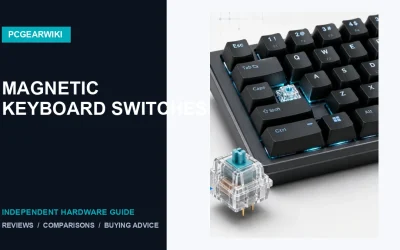
Learn how magnetic keyboard switches work and how Hall Effect sensing, adjustable actuation, rapid trigger, smart actions, latency, and compatibility differ from mechanical switches.
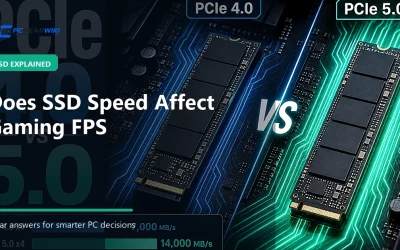
Learn whether SSD speed affects gaming FPS, how storage interacts with the CPU and GPU, and which SSD specifications matter when upgrading a gaming PC.
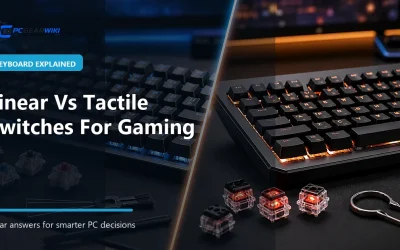
Learn what linear vs tactile switches for gaming means, why it matters, and how switch feel, actuation force, noise, and compatibility affect a mechanical keyboard decision.
Learn whether ray tracing uses more VRAM, how acceleration structures and rendering buffers affect memory demand, and what to consider when comparing GPUs for gaming.
Learn how to test monitor response time, distinguish GtG from MPRT, identify ghosting and overshoot, and apply response-time data when comparing gaming and productivity monitors.
Learn what dram vs dramless ssd for gaming means, why it matters, and how it affects PC hardware performance, compatibility, and buying decisions.
Learn what mechanical keyboard plate materials are, how they change keyboard feel and sound, and why layout, PCB, thickness, and mounting compatibility matter when choosing a gaming keyboard.
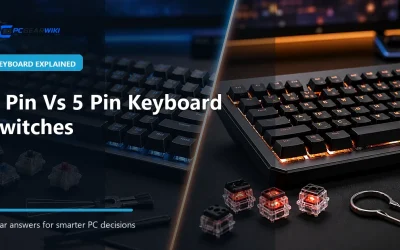
Learn what 3 pin vs 5 pin keyboard switches means, why it matters, and how it affects keyboard compatibility, stability, upgrades, and buying decisions.
Learn what gaming monitor overdrive settings do, how they affect ghosting and inverse ghosting, and how to choose a clean setting for your refresh rate, frame rate, and VRR setup.